



The Real Cost of Delaying Your Kitchen Remodel (And What It Adds Up To Over Time)
Delay rarely sends one large bill. It arrives as another repair, a temporary storage fix, or a cosmetic purchase meant to make a worn surface tolerable for one more year. Each expense seems minor until the total begins competing with the remodel that never left the list.
The quoted project price captures only one part of your kitchen remodel cost. Waiting can allow moisture or wear to widen the scope, while repeated fixes and rushed decisions consume money that could have supported a coordinated update. Tracking those consequences over time shows whether postponement still protects the budget or quietly drains it.
Waiting Deserves the Same Scrutiny as Remodeling
Some kitchens can wait safely because the structure is sound and the limitations are mainly cosmetic. Others face growing damage and inconvenience, along with short-term purchases that may not fit the eventual renovation. The useful question is whether delay preserves your choices or steadily reduces them.
Kitchen Remodel Cost Can Shift Before the Plan Does
A remodel estimate reflects a particular scope, product list, labor availability, and moment in the local market. Leave the project undecided for a year or two, and the same cabinet door, quartz color, fixture, or installation window may no longer be available. A new estimate may be higher, lower, or based on different products and labor needs, so an old number cannot anchor the budget forever.
During a long delay, the household’s growing wish list can alter the eventual kitchen remodel cost. Storage frustrations, accessibility needs, and new appliance dimensions can add work that the first estimate never included, while a discontinued finish may require another round of selections. A periodic review of project priorities provides a current decision point instead of treating an expired quote as money already saved.
Hidden Damage Can Push Kitchen Remodel Cost Beyond the Original Plan
Knowing how to separate cosmetic concerns from deeper kitchen problems can prevent a surface update from masking work that deserves attention first. A discolored seam may reflect surface aging, while softness near a sink, swelling at a cabinet base, loose tile, or recurring dampness can signal that water has reached the material below.

Once moisture reaches the substrate, cabinet panels, drywall, or flooring, the work may extend beyond the finish that first looked tired. The resulting kitchen remodel cost may include drying, carpentry, plumbing, or replacement work that an earlier surface update might not have required.
A professional assessment can separate ordinary stains and age from movement, moisture, or material that has lost strength. The source deserves attention before new cabinets, counters, or backsplash surfaces conceal the area.
Stopgap Repairs Can Make You Pay for the Same Area Twice
Short-term spending is not automatically wasteful. A repair that stops water, restores safe operation, or provides time for proper planning can protect the home. Repeated cosmetic work on a component already marked for replacement rarely delivers the same value.
Problems arise when each isolated purchase ignores the eventual design. A sink chosen for a deteriorating counter, flooring installed only to the current cabinet line, or refinished doors on boxes that no longer meet storage needs may require alteration or removal later. Those overlapping expenses increase kitchen remodel cost because the household pays once to preserve the old arrangement and again to complete the planned update.
Daily Workarounds Carry a Cost of Their Own
Some costs arrive in minutes rather than invoices. A blocked drawer, inaccessible corner, undersized prep area, or crowded appliance door demands an extra step every time someone uses the kitchen.
Families respond with daily kitchen workarounds, such as storing cookware elsewhere, moving small appliances before food preparation, or cleaning difficult gaps after each use. Those workarounds can become so familiar that their cumulative effect disappears into the routine.
When homeowners assess kitchen remodel cost, they should also consider the value of easier movement, usable storage, and surfaces that take less effort to maintain. No formula can price every inconvenience, but noting how often a problem interrupts cooking, cleanup, or access shows whether delay still serves the household.
Kitchen Remodel Cost Changes When Planning Becomes Triage
An elective remodel creates a longer planning window for comparing materials, coordinating services, and deciding which parts of the room can remain. Planning turns into triage when the kitchen no longer supports meal preparation, a mobility change demands faster access improvements, or a home sale creates a deadline. Under that pressure, homeowners may accept a narrower product selection, separate service visits, or temporary solutions that would not have appeared in a planned project.
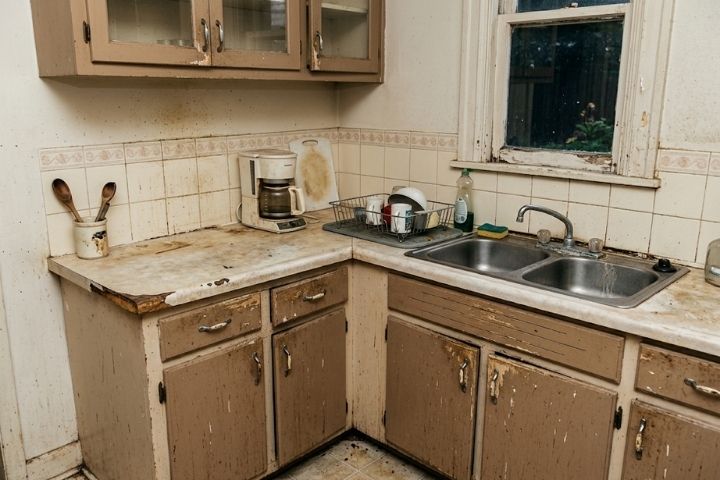
Urgency can reshape kitchen remodel cost by changing the order in which repairs, selections, and installation occur. Accelerated orders, separate trade visits, or a longer period without a working kitchen may divide one coordinated project into several expenses, although the exact impact depends on the scope and contractor availability. Addressing known limitations before the room loses function preserves more time for selections, budgeting, and household preparation.
Give the Remodel a Decision Date
Delay becomes harder to justify when it continues without a condition or date that triggers reassessment. A useful kitchen remodel cost review separates work that protects the room from improvements selected for comfort or style. That distinction gives the household a reasoned timeline instead of an open-ended promise to revisit the kitchen later.
Cabinets, counters, backsplash surfaces, and layout conditions all factor into a project assessment from Kitchen & Bathroom Transformations. The findings help homeowners throughout Northern California determine whether focused resurfacing or refacing addresses the worn areas or the room needs a broader remodel. Establish with the team what the project must include so the budget addresses the kitchen’s condition instead of funding another temporary fix.


