


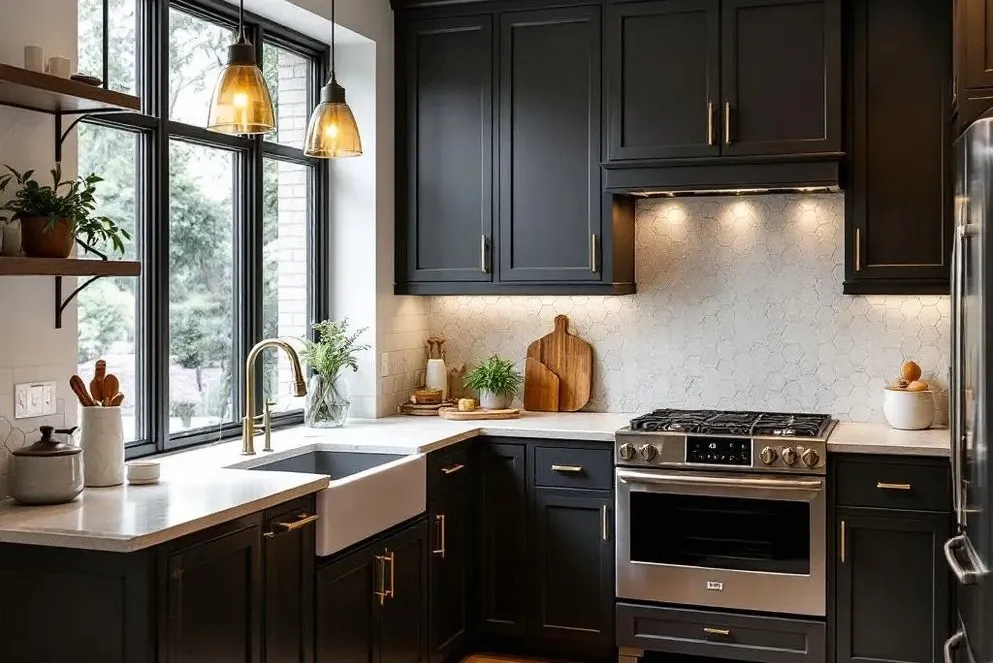
The Real Difference Between Cosmetic and Functional Upgrades
A kitchen update can sound simple until homeowners start deciding what really needs to change. A worn countertop, dated cabinet finish, or old backsplash may only need a visual refresh. However, poor storage, awkward prep space, or bad traffic flow may point to a deeper functional issue.
Knowing the difference matters before homeowners search for kitchen remodeling nearby. Cosmetic upgrades can improve how the kitchen looks. Functional upgrades improve how the kitchen works. The right plan depends on which problem is actually making the kitchen feel frustrating.
Cosmetic Kitchen Upgrades Solve Visible Problems
Cosmetic kitchen upgrades solve problems homeowners can see but do not necessarily need to rebuild. Worn countertops, dated cabinet fronts, old hardware, mismatched finishes, or a tired backsplash can make the kitchen feel older than it is. If the layout still works, these issues may not require a full renovation.
These updates are useful when the kitchen functions well but no longer feels clean, current, or connected to the rest of the home. New kitchen countertops, cabinet finishes, or backsplash details can make the space feel more polished without changing where everything sits.
The key is understanding what cosmetic upgrades cannot do. They can improve appearance, simplify cleaning, and help the room feel more finished. However, they will not fix poor storage, awkward appliance placement, or a layout that makes daily routines harder.
Functional Kitchen Upgrades Improve Daily Use
Functional kitchen upgrades focus on how the room works. These updates address problems like limited prep space, poor lighting in work zones, hard-to-reach storage, crowded walkways, or appliance placement that interrupts the flow of the room.
These issues affect daily use more than appearance. A kitchen may look nice, but still feel frustrating if there is nowhere to prep food, drawers are hard to access, or lighting leaves key surfaces in shadow. In those cases, homeowners need to think beyond finishes.
Some functional improvements can still be simple. Better lighting, smarter cabinet access, or more durable surfaces can improve how the kitchen works without changing the whole footprint.
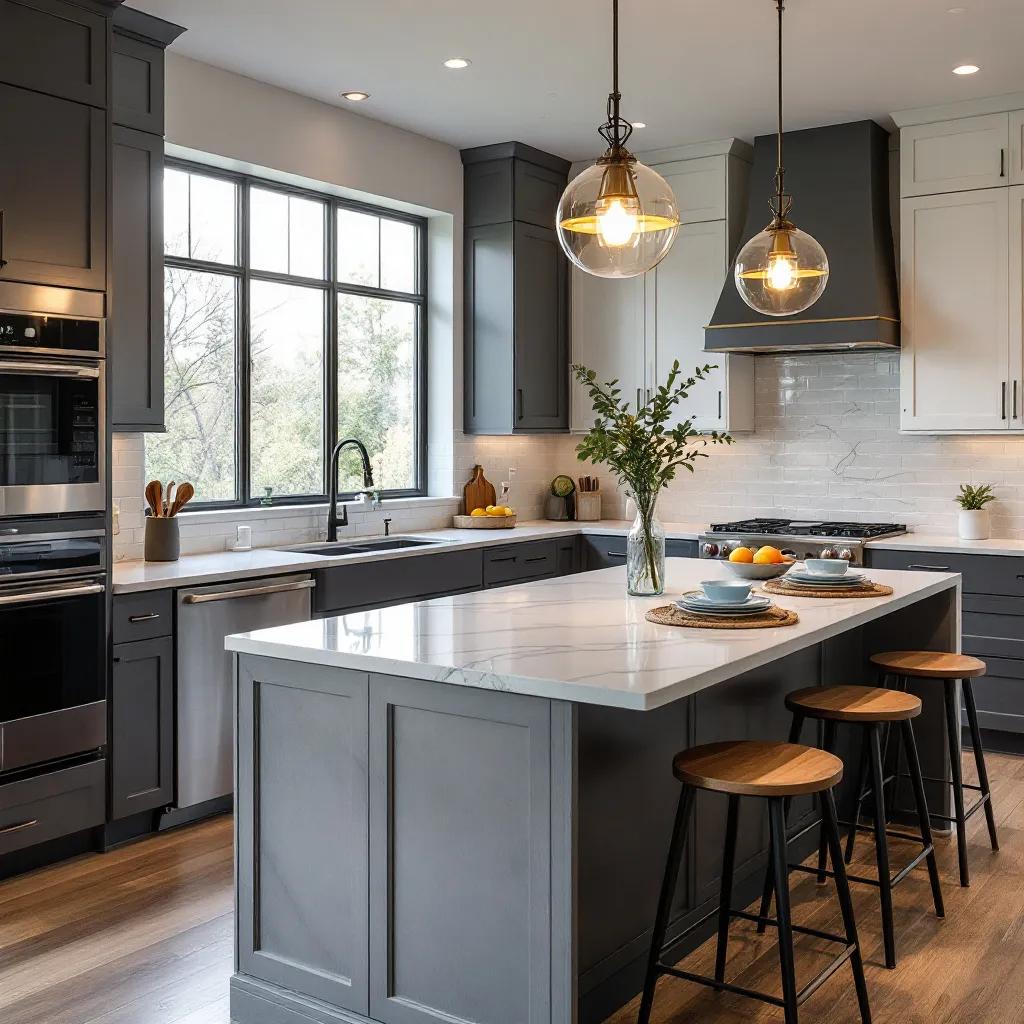
Why Homeowners Mix Up Cosmetic and Functional Problems
Homeowners often know the kitchen feels wrong before they know why. A dated countertop, dark cabinet finish, or busy backsplash may make the room feel frustrating, even if the layout still works. In that case, the problem may be mostly visual.
The opposite can also happen. A kitchen may look attractive but still feel difficult to use because storage is limited, lighting is poor, or work zones do not support daily routines. That is when the issue becomes functional, not just cosmetic.
The best way to separate the two is to pay attention to the complaint. If the kitchen feels old, mismatched, or hard to clean, cosmetic updates may help. If it feels cramped, awkward, or inefficient, the project may need a more functional plan.
The Wrong Upgrade Scope Can Lead to Remodeling Regret
Regret often happens when the upgrade does not match the real problem. A new countertop may make the kitchen look fresher, but it will not create more storage. Updated cabinet fronts may look cleaner, but they will not fix poor access or an awkward layout.
The opposite can also be true. Homeowners may take on a larger remodel when the kitchen only needed better surfaces and finishes. That can lead to extra cost, more disruption, and a project that feels bigger than necessary.
The right scope should solve the problem without overbuilding the project. If the issue is visual, cosmetic updates may be enough. If the issue affects daily use, homeowners may need practical improvements that make the kitchen easier to work in.
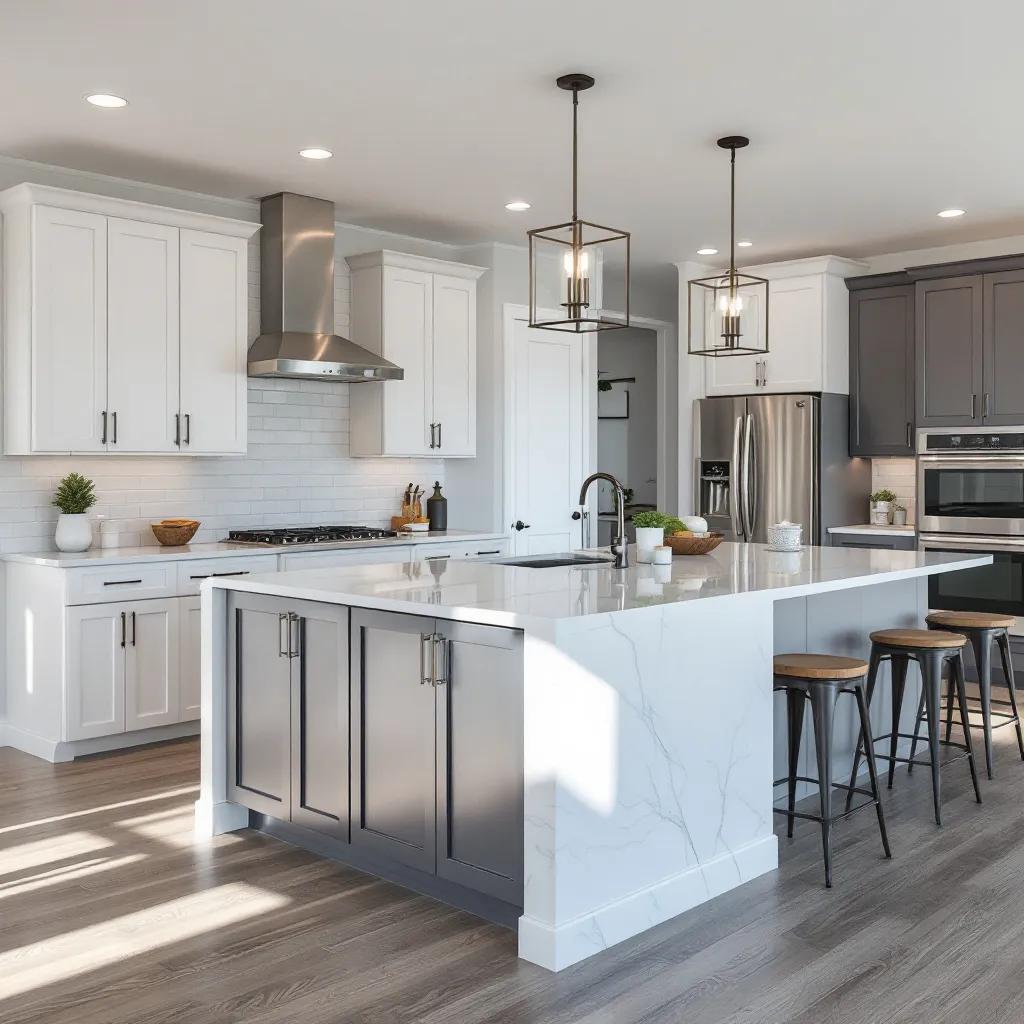
Cosmetic Upgrades Deliver Value When the Layout Works
A cosmetic upgrade can deliver strong value when the kitchen already works well. If the layout feels comfortable, storage is useful, and the main problem is dated finishes, surface-focused updates may be enough to change the room’s appearance.
This is where updates like countertop resurfacing, cabinet refacing, backsplash changes, and coordinated hardware can make a major difference. They improve the surfaces homeowners see and use every day without turning the project into a larger renovation than needed.
For homeowners who search for kitchen remodeling near me, this can be a smart way to control the scope. When the structure is sound and the layout works, modern countertops can refresh the kitchen while keeping the project more manageable.
How to Choose the Right Upgrade Before Spending Money
Homeowners should start by naming the real frustration. Is the kitchen visually dated, hard to clean, difficult to use, or all of the above? The answer helps determine whether the project needs cosmetic changes, functional improvements, or a mix of both.
Before they choose a scope, homeowners can ask:
What looks outdated? Worn counters, cabinet finishes, backsplash, or hardware may point to cosmetic upgrades.
What feels hard to use? Poor storage, limited prep space, or awkward access may point to functional upgrades.
What still works well? A good layout or solid cabinet boxes may not need full replacement.
What will matter daily? Cleaning, cooking, storage, and lighting should guide the final plan.
What can be improved without overbuilding? Targeted updates may solve the problem with less disruption.
Kitchen & Bathroom Transformations helps homeowners compare cosmetic and practical kitchen updates, engineered quartz resurfacing, cabinet refacing, and coordinated finishes. For kitchen remodeling, book a consultation to explore the best options for your home.


