


Why Some Remodels Don’t Add Value (And How to Avoid It)
A kitchen remodel should make the home feel better to live in, but not every update adds lasting value. Some projects cost more than they return because they solve the wrong problem, feel too personal, or create more disruption than the kitchen really needs.
The best remodels balance appearance, function, and long-term appeal. When homeowners focus on practical improvements, durable surfaces, and choices that fit the home, the kitchen can feel refreshed without wasting money on updates that may not matter later.
When a Kitchen Remodel Fails to Add Value
A kitchen remodel can fail to add value when the project focuses on the wrong priorities. New finishes may look exciting at first, but they will not help much if the kitchen still feels hard to use, difficult to clean, or disconnected from the rest of the home. Value comes from updates that improve both appearance and daily function.
Some remodels also lose value when they go too far for the home. Expensive changes, major layout work, or highly customized choices may not make sense if the existing kitchen already has a workable footprint. In that case, surface updates may create a better return than a larger renovation.
Homeowners can avoid this mistake when they start with the real problem. If dated surfaces are the main issue, updates like countertops, cabinet finishes, or backsplash changes may refresh the space without unnecessary construction.
Trendy Design Choices That Hurt Long-Term Appeal
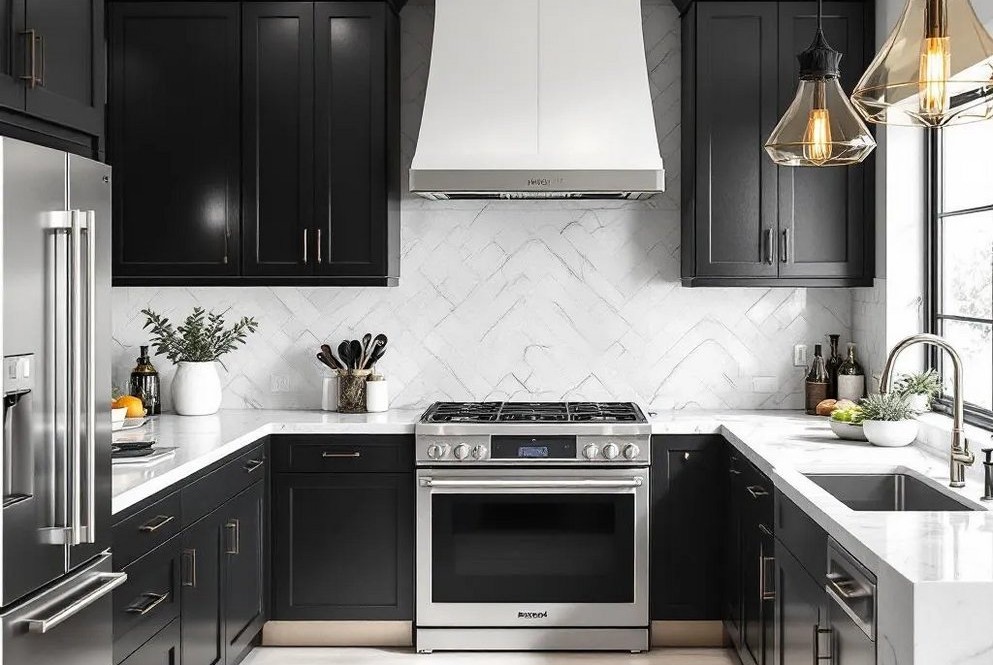
Trendy choices can make a kitchen feel fresh at first, but they may not age well. Bold cabinet colors, busy countertop patterns, or dramatic finishes can feel dated as styles change. That can make the kitchen less appealing later.
Homeowners may want to be careful with:
Bold cabinet colors: They can feel exciting now, but be dated later.
Busy countertop patterns: Strong patterns may limit future design flexibility.
Unusual hardware finishes: Trend-heavy metals can age faster than simpler choices.
Highly specific styles: A personal look may not appeal long-term.
Mismatched finishes: Competing colors can make the remodel feel less polished.
This does not mean the kitchen needs to feel plain. Timeless surfaces can create a strong foundation, while hardware, decor, paint, and lighting add personality in easier-to-change ways. Homeowners can also blend old and new styles so the remodel feels fresh and cohesive with the rest of the home.
Poor Material Choices That Lower Remodel Value
A kitchen remodel can lose value when the materials do not hold up to daily use. Surfaces that stain easily, scratch quickly, or require constant upkeep may look good at first but become frustrating over time. In busy homes, durability matters just as much as appearance.
Countertops are especially important because they handle cooking, cleaning, spills, and prep work every day. If the surface feels delicate or difficult to maintain, the kitchen may not feel like a true upgrade. Homeowners can search for durable quartz surfaces that can help them balance style with easier maintenance.
Homeowners should also choose cabinet finishes, backsplashes, and hardware with daily use in mind. A remodel adds more value when the materials support real routines, not just the design photo. The goal is a kitchen that still feels clean, practical, and polished after months of regular use.
Function Problems That Make a Kitchen Remodel Feel Incomplete
A beautiful kitchen can still disappoint if it does not work well. Poor storage, awkward cabinet access, dim lighting, or limited prep space can make everyday tasks harder. When the function is ignored, the remodel may look updated but still feel inconvenient.
Homeowners should think about how they use the kitchen before they choose finishes. Cooking habits, family routines, appliance placement, and cleanup needs all matter. Small details like drawer function, counter space, and lighting can affect how valuable the remodel feels over time.
Cabinet updates can also improve function when the existing layout works, but the visible surfaces feel dated. Options like cabinet refacing can refresh the room without replacing solid cabinet boxes. When appearance and usability work together, the kitchen remodel is more likely to feel worth the investment.
Remodel Scope Should Match the Real Problem
A kitchen remodel can lose value when the project becomes bigger than the problem. Wall changes, plumbing relocation, or a full layout change can add major cost and extend the remodel timeline. Those changes may make sense for a kitchen with poor flow, but they may not be needed when the layout already works.
Many kitchens need better surfaces, not a larger construction project. Countertops, cabinet finishes, backsplashes, lighting, and hardware can refresh the space homeowners see and use every day. The right small changes can improve the kitchen without unnecessary work.
The best scope solves the actual issue. If the kitchen feels dated but functions well, surface-focused updates may add more everyday value than major layout changes. Modern countertops can help homeowners refresh the space before they commit to a larger remodel.
How to Plan a Kitchen Remodel That Adds Value
A kitchen remodel should start with one simple question: Will this choice still make sense later? The strongest updates are not always the biggest ones. They are the ones that improve how the kitchen looks, works, and holds up over time.
Before they commit to a remodel, homeowners should look for the gap between what feels outdated and what actually needs to change. If the layout works, the better investment may be resurfacing countertops, updating cabinet fronts, or simplifying dated finishes. If the kitchen has poor storage or awkward work zones, a larger change may be worth a closer look.
Value comes from a kitchen that feels easier to live with, not just newer. Kitchen & Bathroom Transformations helps homeowners focus on practical updates like engineered quartz resurfacing, cabinet refacing, and coordinated finishes. For a kitchen remodel that avoids unnecessary work and supports long-term value, book a consultation to compare the right options for your home.


