

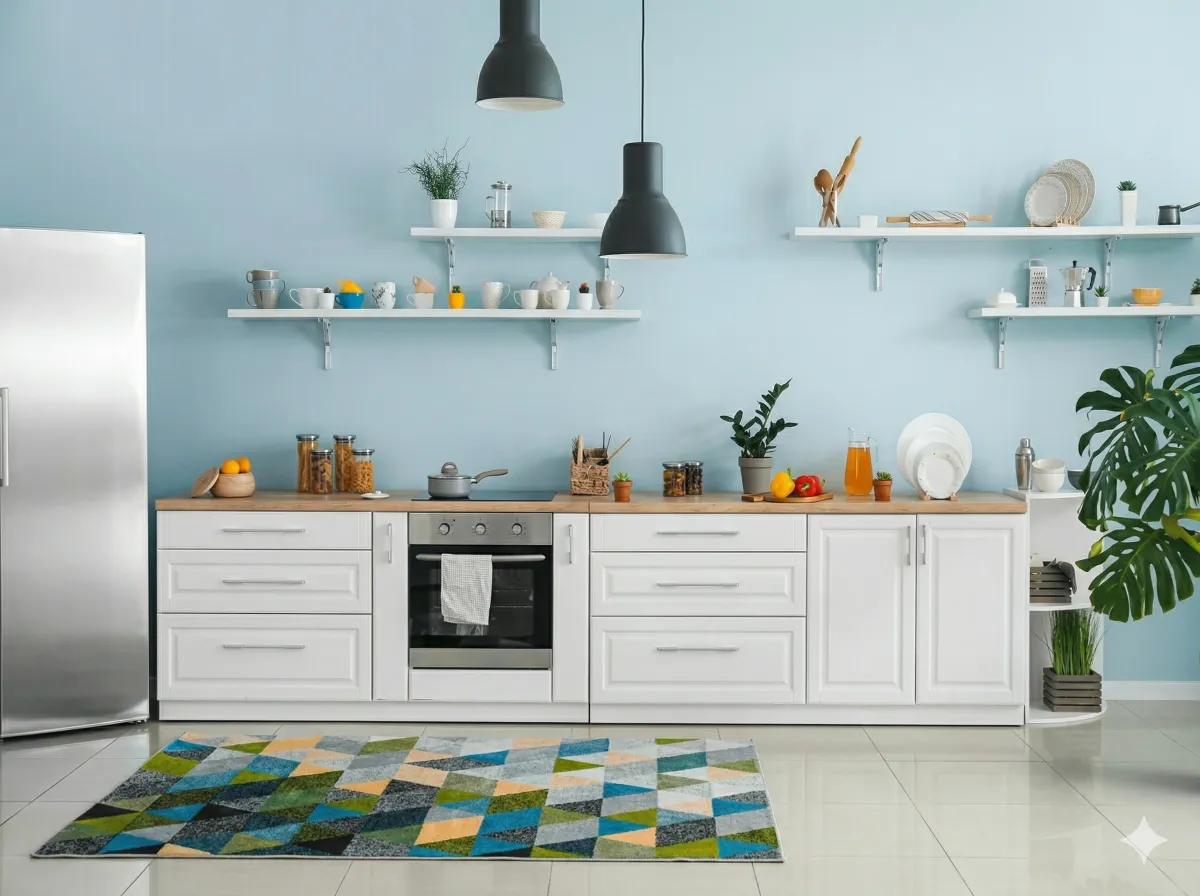
How to Update a 90s Kitchen Without Gutting It
A 90s kitchen does not always need a full gut remodel to feel more current. In many homes, the layout still works, but the finishes, colors, and surface details make the space feel older than it is. That is where smart kitchen update ideas can make a difference. With the right changes, it is possible to improve the look and function of the room without taking on a full renovation.
Where to Start with Kitchen Update Ideas for a 90s Kitchen
The best place to start is by looking at what makes the kitchen feel dated. In many 90s kitchens, that may include oak cabinets, laminate countertops, older hardware, heavy trim details, or a darker overall color palette. These features do not always mean the kitchen is in poor condition. Often, they simply make the space feel tied to a different era.
That is why the first step should be to identify the changes that will have the greatest visual impact. Instead of replacing everything at once, it usually makes more sense to focus on the features that take up the most visual space. For many homeowners, that means the cabinets, countertops, and surrounding finishes.
It also helps to separate cosmetic issues from structural ones. If the kitchen layout still supports how you cook, move, and store everyday items, a full tear-out may not be necessary. The smarter approach is often to update what you see and touch most often while keeping the footprint in place.
Kitchen Update Ideas That Improve Cabinets Without Full Replacement
Cabinets are often one of the biggest reasons a 90s kitchen feels dated. Even when the layout still works well, the finish, door style, or hardware can make the room feel heavier and older than it needs to.
In many cases, full replacement is not necessary. If the cabinet boxes are still in good condition, refacing, repainting, or updating the hardware may create a major difference without the cost and disruption of a complete rebuild. Small changes like cleaner hardware, a lighter finish, or a more modern surface treatment can shift the overall tone of the kitchen.
Cabinet updates also set the stage for the rest of the room. Once the cabinetry feels lighter, cleaner, or more current, it becomes much easier to make better decisions about surfaces, wall color, and lighting.
Surface-Level Kitchen Update Ideas That Make a Big Visual Impact
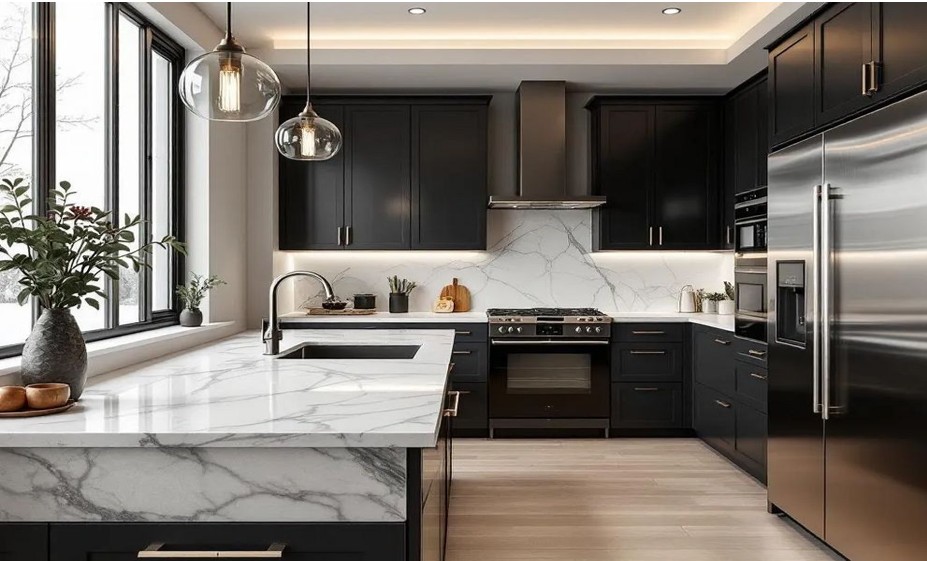
If cabinets set the tone, surfaces often define how updated the kitchen feels. Countertops, backsplashes, and surrounding finishes take up much of the room's visual space, so changing them can quickly shift the room's look. That makes surface updates a practical option for homeowners who want visible improvement without a full remodel.
In many 90s kitchens, older laminate counters or busy finishes can make the space feel more dated than the layout itself. Updating those surfaces can create a cleaner, brighter, more current look. It also helps connect cabinet changes, wall color, and hardware so the kitchen feels more cohesive.
This approach works well when the goal is visual change without major demolition. Instead of rebuilding the room, surface updates can refresh the kitchen in a way that feels immediate and practical.
Kitchen Update Ideas That Modernize Color and Finishes
Color plays a big role in moving a 90s kitchen toward a more current look. Many older kitchens lean heavily on orange-toned wood, darker finishes, and warmer color combinations that can make the room feel heavier than it needs to. A more updated palette often shifts the space toward lighter, softer, or more balanced tones.
That does not mean every kitchen needs to become white or gray. The goal is to create a palette that feels cleaner and more cohesive. That may include updated cabinet finishes, lighter surfaces, or better contrast between cabinets, counters, and walls. Reviewing available color options can help narrow down combinations that modernize the room while still fitting the home's style.
It is also worth thinking about finish consistency. When cabinet color, surface tone, and hardware finish support each other, the kitchen feels more polished. Even simple updates can look stronger when the room follows one clear direction.
How Lighting Updates Support Better Kitchen Update Ideas
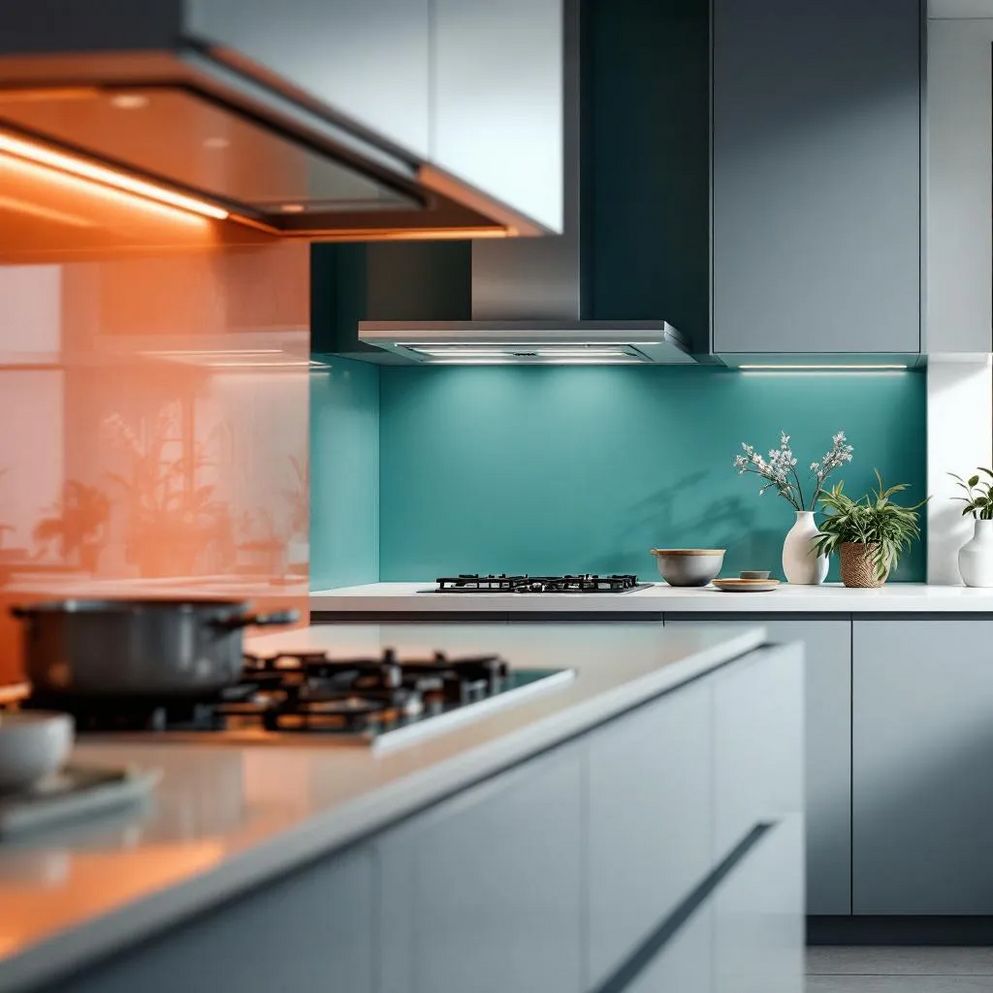
Lighting is often overlooked in 90s kitchens, but it can have a major effect on how the space looks and feels. Older fixtures, limited task lighting, and warmer or uneven light can make finishes appear darker and more dated. Updating the lighting can help the entire kitchen feel brighter and more current without changing the layout.
Simple changes like replacing overhead fixtures, adding under-cabinet lighting, or improving task lighting around key work areas can make a noticeable difference. Better lighting also helps highlight updated surfaces and finishes, making cabinet and countertop improvements stand out more.
Lighting can also improve everyday use. A brighter prep area, clearer sink lighting, or more even illumination across the room can make the kitchen feel easier to work in and easier to enjoy.
Kitchen Update Ideas That Improve Function Without Remodeling
Not every update needs to be visual. In many 90s kitchens, the layout still works, but storage and day-to-day use can be improved. Small changes within the existing footprint can make the kitchen feel more efficient without turning the project into a full remodel.
That may include pull-out shelves, better drawer organization, or smarter use of existing cabinet space. These updates can reduce clutter, improve workflow, and make the kitchen easier to use every day. When paired with updated surfaces and finishes, they also help the room feel more complete.
A 90s kitchen does not need to be gutted to feel refreshed. Often, the biggest impact comes from updating the features that most shape the room, then making practical improvements that support daily use. If you are ready to explore kitchen update ideas that can modernize your space without a full renovation, contact Kitchen & Bathroom Transformations or get a quote to get started.


