

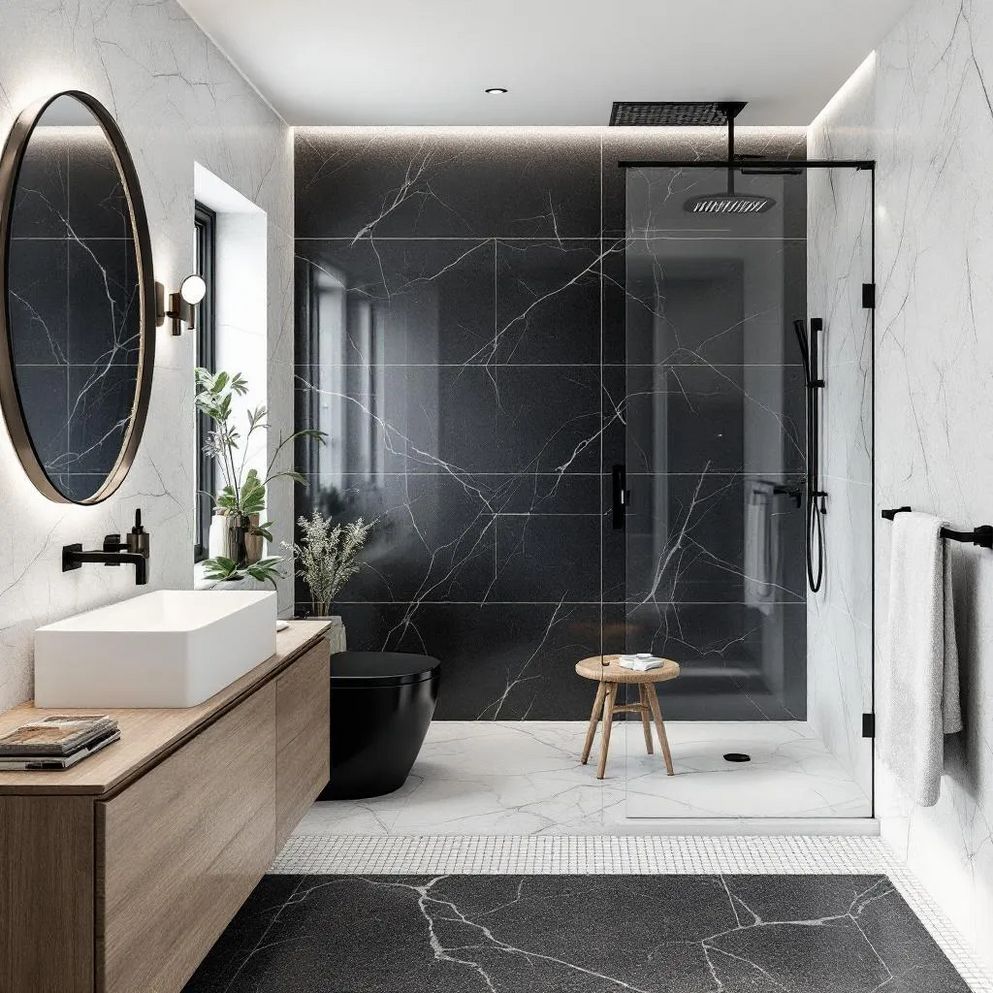
The Best Waterproof Materials for Modern Bathrooms
Bathrooms are one of the most moisture-prone areas in any home, making the choice of waterproof materials critical for both function and style. Selecting surfaces that resist water damage ensures long-term durability and reduces the risk of mold growth. Modern waterproof materials allow homeowners to achieve a sleek, polished look without compromising on practicality.
A well-designed bathroom balances aesthetics with performance, and the right surfaces make all the difference. Waterproof materials such as engineered quartz, vinyl, and ceramic tiles combine resilience with easy maintenance. By understanding which options work best, homeowners can protect their investment while creating a comfortable, modern space.
How Do You Choose the Best Waterproof Materials for Bathrooms?
Choosing the right waterproof materials means considering both durability and daily usability. Surfaces must withstand constant water exposure while remaining easy to clean and visually appealing. Options like non-porous panels, durable vinyl, and low-maintenance tiles are all effective for modern bathrooms.
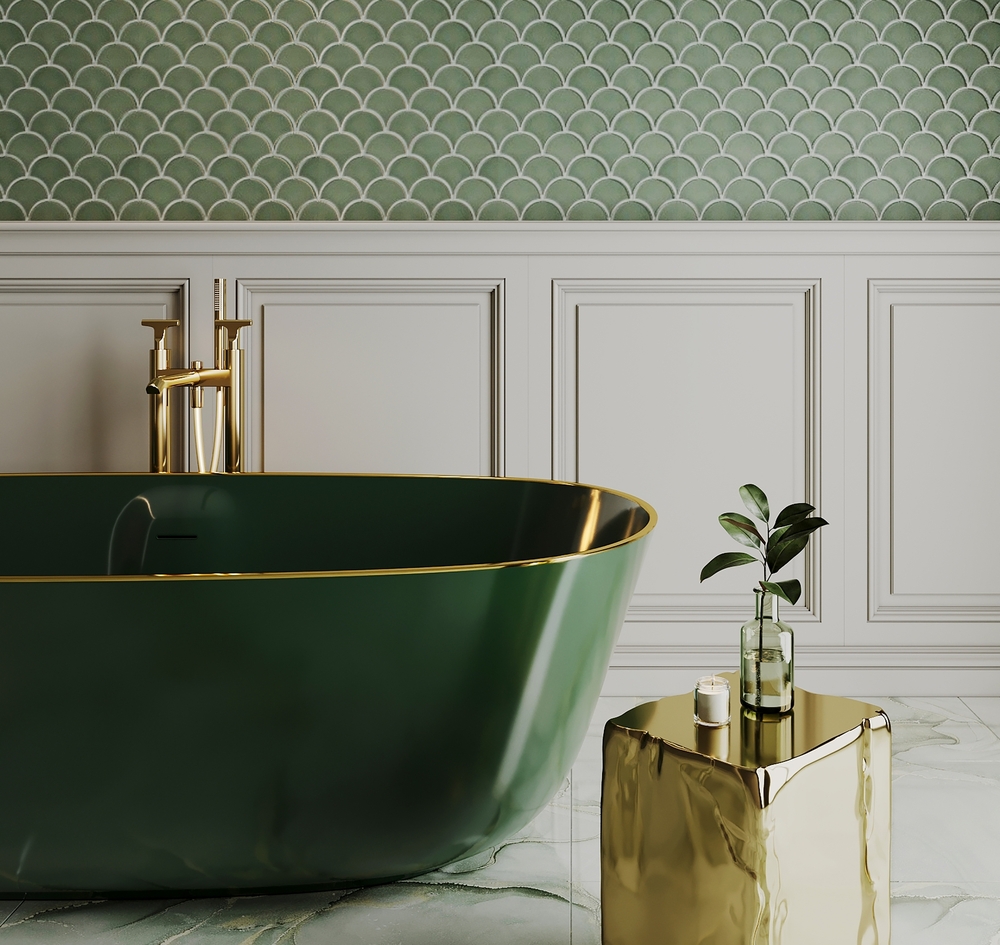
What Waterproof Materials Protect Surfaces from Long-Term Moisture?
Bathrooms experience frequent water exposure, which can lead to warping, staining, or mold growth over time. Selecting waterproof materials helps prevent these issues and maintains the integrity of shower walls, vanities, and floors. Engineered quartz is a particularly strong option because it is non-porous and resists staining, chipping, and scratching.
Additionally, vinyl and porcelain tiles provide excellent moisture resistance while offering design flexibility. These surfaces come in a variety of textures, colors, and patterns that complement contemporary and traditional styles. Homeowners can also explore options to brighten dark spaces with lighter tones, enhancing both function and style.
Durability also extends to installation methods; proper sealing and joint alignment further minimize water seepage. Subtle seam placement and high-quality adhesives reduce areas where water could collect. Combining waterproof materials with careful installation maximizes long-term performance.
Finally, choosing certified moisture-resistant products provides added reassurance. These surfaces are tested for exposure to heat, humidity, and cleaning chemicals. Such measures help maintain both beauty and function for years of everyday use.
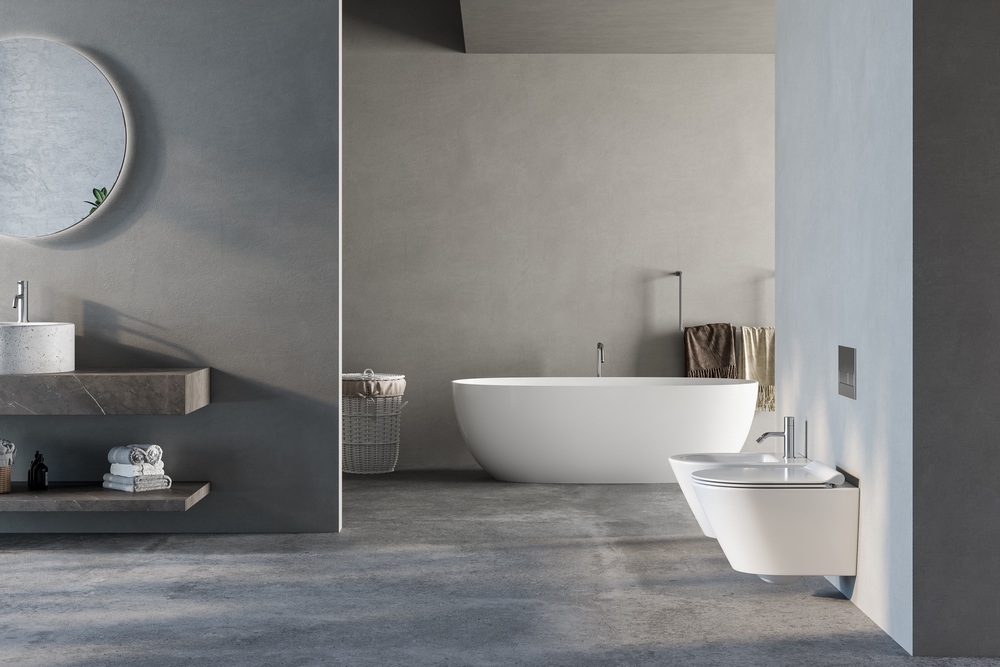
How Do Engineered Quartz Panels Improve Bathroom Surfaces?
Engineered quartz has become a top choice for waterproof materials due to its non-porous nature. It naturally repels water, preventing staining and mold accumulation on vanity tops and shower surrounds. The surface also resists heat and scratches, making it ideal for busy households.
Installation is minimally invasive, avoiding the mess of traditional demolition. Panels can be applied over existing surfaces, creating a modern upgrade in just a few hours. This method preserves the structure beneath while giving a fresh, updated appearance for bathroom surfaces.
Quartz panels also enhance everyday cleaning and maintenance. Unlike natural stone, they require no sealing and are easy to wipe down with mild cleaners. This convenience helps bathrooms stay hygienic and visually appealing with minimal effort.
Homeowners can select from a wide range of colors and finishes, supporting cohesive design choices. For example, pairing panels with coordinating color schemes elevates the overall aesthetic without compromising waterproof performance.
What Are Seam-Minimizing Installations and Why Do They Matter?
Seams in bathroom surfaces can trap water, dirt, and soap scum, increasing cleaning challenges. Seam-minimizing installations reduce these problem areas, which protects against water seepage. Materials like engineered quartz panels can be cut and installed with fewer seams for a continuous, sleek surface.
Key benefits of seam-minimizing installations include:
Easier Cleaning: Fewer seams mean less soap scum and dirt accumulation, saving time during daily upkeep.
Reduced Water Seepage: Minimal joints prevent moisture from penetrating underlying surfaces and causing damage.
Enhanced Longevity: Less exposure to water at joint lines extends the life of surfaces.
Improved Aesthetics: Continuous surfaces create a sleek, modern appearance with seamless flow.
Lower Maintenance Costs: Reduced risk of grout or sealant replacement over time keeps upkeep affordable.
This approach ensures the bathroom stays both functional and visually streamlined. By minimizing seams, surfaces remain easier to clean and maintain. Resources like long-lasting quartz tips can help homeowners plan for durable, low-maintenance installations
How Can Durable Resurfacing Solutions Refresh Bathrooms?
Bathroom resurfacing allows homeowners to upgrade without full demolition. Using waterproof materials, existing shower walls, vanities, and countertops can be covered with engineered quartz or similar panels. This method revitalizes a dated space while controlling costs and avoiding long construction times.
Key advantages include:
Quick Installation: Resurfacing typically completes in hours rather than days, minimizing disruption.
Eco-Friendly: Overlaying surfaces reduces waste by keeping existing materials intact.
Durable Finish: Panels resist scratches, heat, and moisture for long-lasting performance.
Modern Design: Resurfacing updates the look instantly, with customizable colors and finishes.
Low Maintenance: Non-porous surfaces require simple cleaning without special treatments.
Resurfacing provides a practical solution for homeowners seeking both style and function. By focusing on waterproof materials, the bathroom remains safe, hygienic, and visually refreshed. Learn more about how resurfacing can refresh vanity tops for a modern look.
Why Proper Material Selection Enhances Longevity and Ease?
Choosing the right waterproof materials is not only about protection—it affects daily use and long-term maintenance. Durable surfaces reduce the need for frequent repairs or replacements, saving homeowners time and effort. Materials like quartz, porcelain, and vinyl ensure that everyday spills and humidity do not compromise the structure.
Maintenance is simplified with low-porosity materials, which resist stains, soap residue, and mold growth. Easy-clean surfaces allow for quick wipes rather than labor-intensive scrubbing. This practicality is particularly valuable in busy households or shared bathrooms.
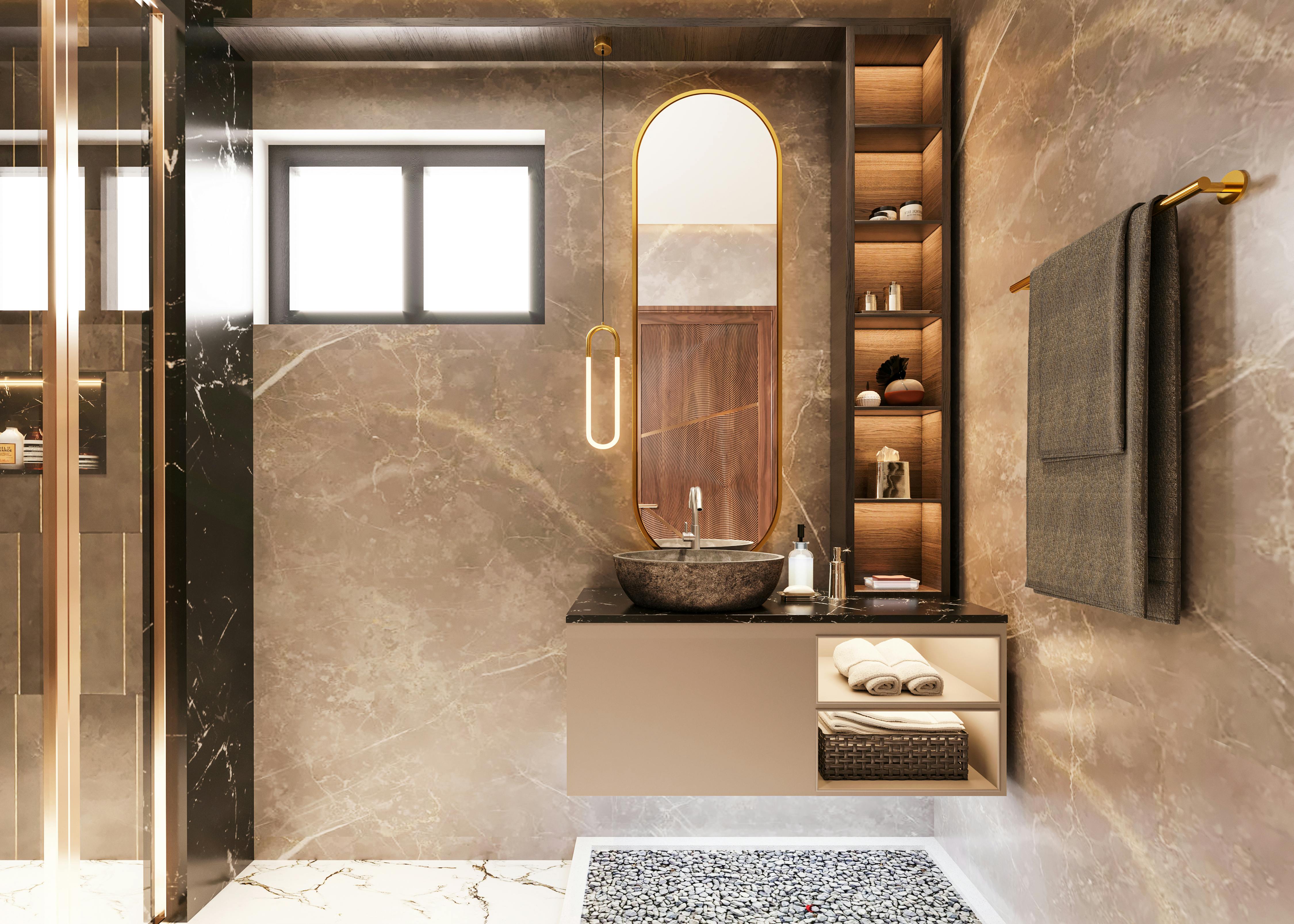
Aesthetic considerations also play a role in longevity. Neutral, timeless colors maintain appeal over time, while textures and finishes mask minor wear. Thoughtful material selection balances design and function for bathrooms that remain attractive and resilient.
Finally, integrating surfaces with proper installation techniques maximizes protection. Using quality adhesives, precise seams, and recommended panel layouts ensures water stays where it belongs. Proper planning prevents future issues and extends the life of bathroom surfaces.
Ensuring Lasting Performance with the Right Materials
Selecting reliable waterproof materials is key to achieving a functional, modern bathroom that stands the test of time. Properly chosen surfaces protect against moisture, simplify cleaning, and enhance both aesthetics and durability. By considering material type, installation method, and maintenance needs, homeowners can enjoy a space that looks great and functions well every day.
Kitchen and Bathroom Transformations applies engineered quartz over existing surfaces to create moisture-resistant shower walls and vanity surrounds with minimal disruption. If your bathroom struggles with moisture or looks dated, their resurfacing services offer both protection and an updated design. Learn more and schedule a consultation here: contact us.


