

Resurfacing vs. Replacing: What’s Right for Your Budget
Choosing how to update your kitchen or bathroom surfaces can be overwhelming. Understanding resurfacing vs. replacing helps homeowners make smart decisions that fit their budget and lifestyle. Each option offers unique benefits and considerations depending on time, cost, and long-term value.
Many homeowners assume replacement is the only path to a refreshed space. In reality, resurfacing can deliver a modern, durable look with less disruption and expense. Learning the differences ensures your project meets both aesthetic goals and practical needs.
Which Option Is Better for Your Home and Budget?
Deciding between resurfacing vs. replacing depends on your goals, timeline, and budget. Resurfacing refreshes surfaces quickly with minimal cost and disruption. Replacement may be necessary for damaged or outdated areas, but it usually involves higher expense and longer installation times.
Can Resurfacing Really Save Time and Money?
When deciding between resurfacing vs. replacing, cost and project length are often the biggest concerns. Resurfacing generally requires fewer labor hours and eliminates demolition, reducing material waste. For homeowners seeking quick improvements without overspending, resurfacing can be a practical solution.
The process is usually faster than full replacement, which can stretch into weeks. Minimal disruption allows homeowners to continue using their kitchens and bathrooms. Families especially benefit from this efficiency when balancing daily routines.
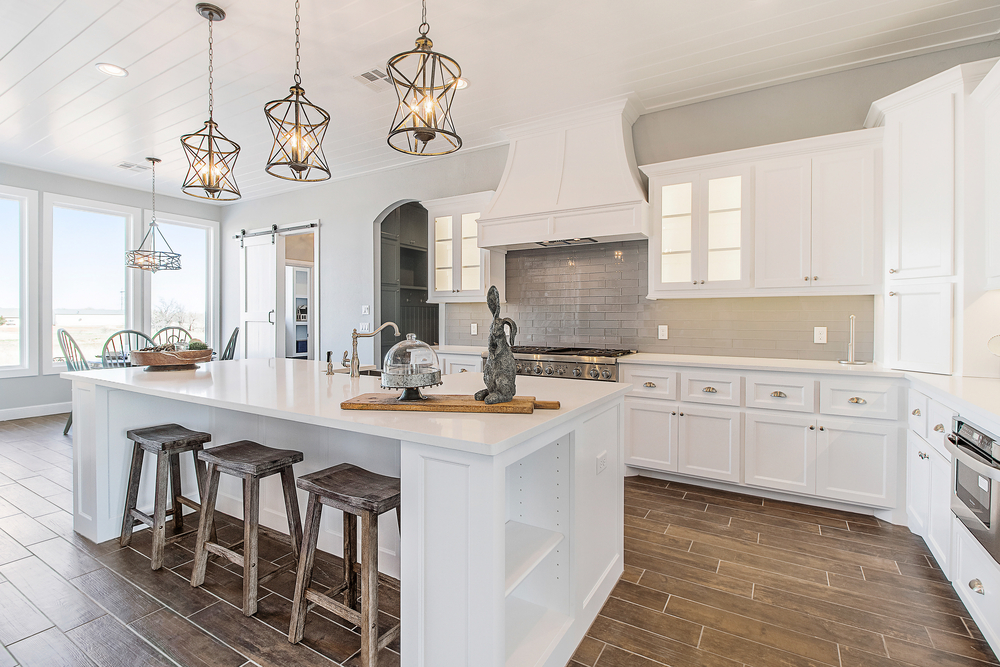
Resurfacing also reduces environmental impact by reusing existing materials. It can hide wear, scratches, and outdated patterns while giving a modern appearance. Overall, the approach offers both practical and aesthetic improvements.
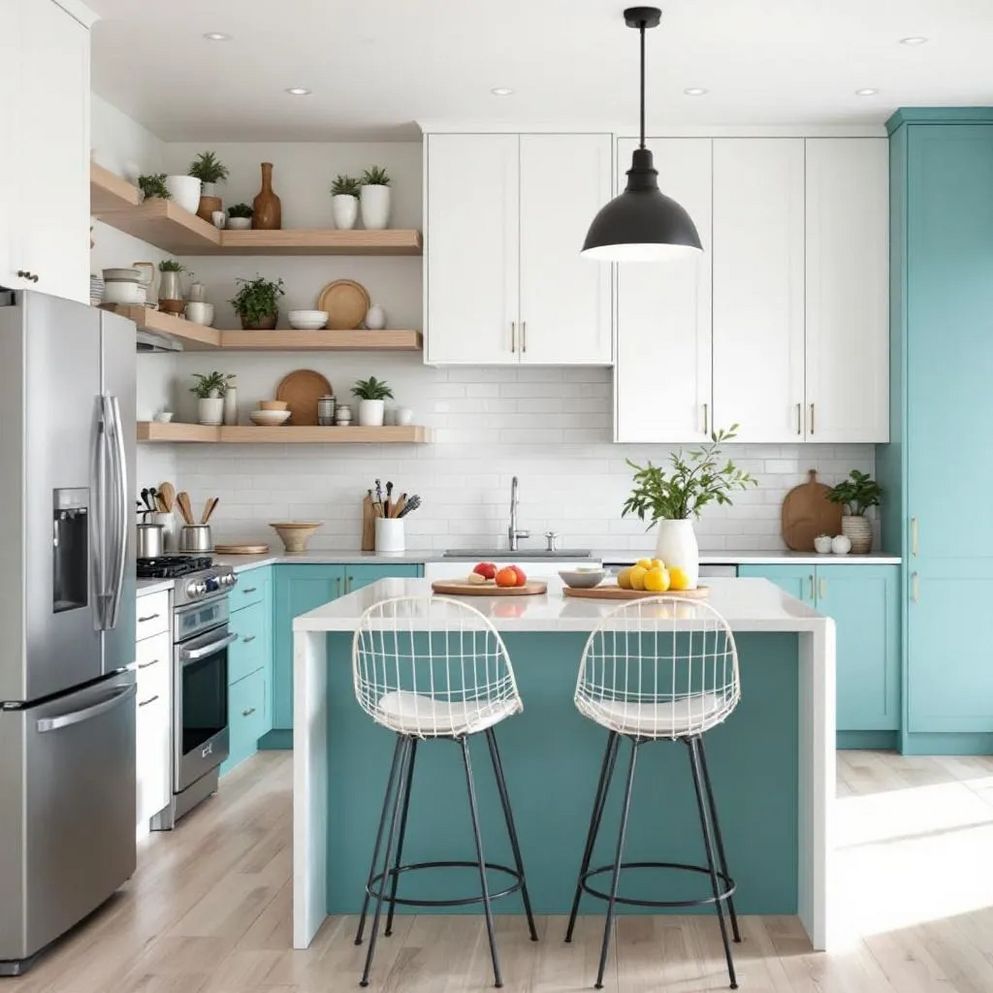
Selecting from available COLORS helps ensure your resurfaced surfaces feel modern and personalized. This choice allows homeowners to achieve a cohesive look without a full remodel. Custom finishes can bring both warmth and style to kitchens or bathrooms.
What Are the True Costs of Replacing?
Full replacement often provides a completely new surface but comes with higher costs. Homeowners must account for materials, labor, and disposal fees. Unexpected issues like hidden water damage can further increase expenses.
Key cost considerations include:
Material purchase: stone, quartz, or custom cabinets.
Labor: skilled installers required for demolition and installation.
Disposal: hauling away old surfaces adds fees.
Prep work: leveling, repairing, or reinforcing existing areas.
Potential delays: scheduling, unforeseen complications, and weather interruptions.
Replacement projects also require longer timelines, sometimes stretching into weeks. This can disrupt daily routines and create a stressful environment. While replacement may be necessary for severely damaged surfaces, it’s not always the most cost-effective choice.
Planning for replacement involves balancing upfront investment with long-term durability. Choosing high-quality materials can extend lifespan. Homeowners can also review durable kitchen surfaces to understand which materials withstand daily use over time.
How Does Resurfacing Refresh Your Space?
Resurfacing revives existing surfaces with minimal disruption. A high-quality overlay or quartz finish can mask wear, scratches, and outdated patterns effectively. This approach allows homeowners to achieve a modern look in hours rather than days.
Main benefits of resurfacing include:
Cost-effective: avoids expensive demolition and new materials.
Quick installation: often completed in a single day.
Low disruption: family routines remain largely unaffected.
Eco-friendly: reduces waste from old surfaces.
Customizable: available in a range of colors and finishes to match your style.
The process is generally cleaner than full replacement, making it ideal for busy households. Resurfacing allows homeowners to focus on design choices rather than structural repairs. Selecting the right finish can transform both kitchens and bathrooms.
Homeowners can explore kitchen color balance to see how resurfacing modernizes their space. Choosing complementary finishes ensures a cohesive, stylish design.
Durability And Lifespan: How Do Options Compare?
When comparing resurfacing vs. replacing, consider material longevity. Full replacement may use durable stone or engineered quartz, lasting decades with proper care. Resurfacing also offers strong durability, especially when using heat- and scratch-resistant engineered quartz.
Maintaining either option is straightforward with non-porous surfaces that resist stains and water damage. For kitchens, surfaces must withstand daily spills, hot cookware, and sharp utensils. Bathrooms require moisture-resistant finishes to prevent peeling or warping over time.
Homeowners can also select finishes that match lifestyle needs. Families benefit from durable surfaces designed to endure heavy use. By considering long-term wear, the right choice can save money and minimize ongoing maintenance.
Resurfacing often complements existing cabinetry and flooring. Replacement might require additional upgrades if adjacent surfaces are outdated. Assessing longevity ensures the investment provides lasting satisfaction.
For design guidance, explore KITCHEN COUNTERTOPS to see how material choices affect durability and daily use.
Are Hidden Costs Worth Considering?
Hidden expenses can make or break a renovation budget. Full replacement often includes additional fees for demolition, hauling, and surface preparation. Resurfacing minimizes these costs while delivering a refreshed, modern appearance.
Labor hours also differ significantly between approaches. Replacement usually demands more skilled labor for installation, whereas resurfacing crews can complete work efficiently with fewer complications. Time savings translate to lower overall expenses
Evaluating potential disruptions is essential. Long timelines impact family routines, meal preparation, and bathroom availability. Resurfacing reduces downtime, making it a practical solution for busy households.
Considering both immediate and long-term costs helps homeowners make informed choices. Factoring in maintenance, labor, and hidden fees avoids budget surprises. Homeowners can review bathroom vanity updates to plan their resurfaced surfaces efficiently.
Making The Right Choice For Your Home
Choosing between resurfacing vs. replacing depends on surface condition, homeowner priorities, and budget. Resurfacing offers affordability, speed, and durability for spaces that are structurally sound. Replacement may be necessary for damaged or outdated layouts but comes at a higher cost and longer timeline.
A clear assessment of needs, lifestyle, and design goals helps homeowners decide wisely. Consider both upfront costs and long-term maintenance when evaluating options. By understanding the benefits and trade-offs, you can create a functional, attractive space without unnecessary expense.
Homeowners should also evaluate aesthetic goals alongside practicality. For example, resurfacing allows color and finish updates without demolition. Replacement may provide a full design reset but with greater disruption and cost.
Finally, consider future use and family lifestyle when choosing. Durability, maintenance, and time constraints influence long-term satisfaction. Thoughtful decisions ensure a refreshed kitchen or bathroom meets both functional and design expectations.
Finding the Balance Between Cost and Style
Understanding resurfacing vs. replacing ensures homeowners achieve a refreshed, functional kitchen or bathroom without overspending. Practical choices like resurfacing provide long-lasting results while maintaining convenience and style.
Experts at Kitchen & Bathroom Transformations specialize in resurfacing solutions that deliver durable, modern finishes without full replacement. Schedule a consultation to see if resurfacing is the right fit for your home here.


