


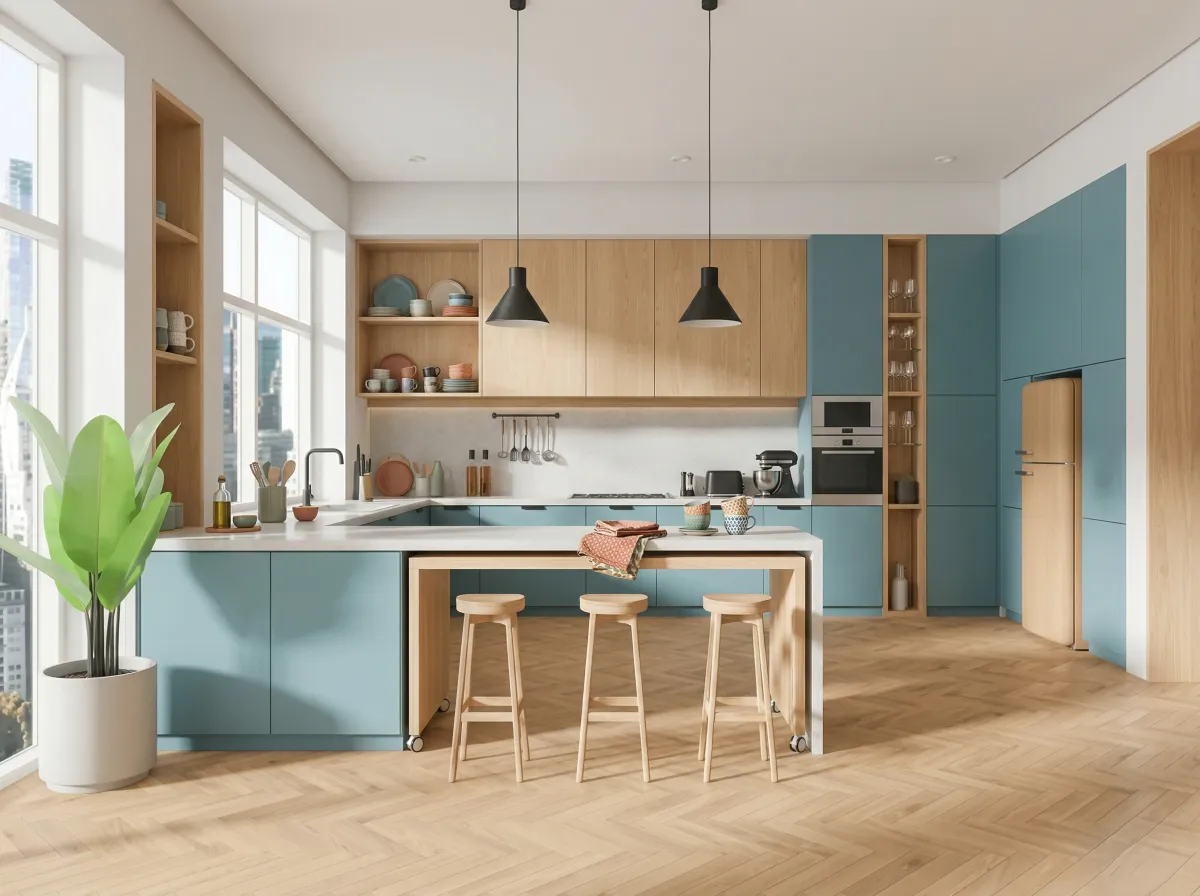
Kitchen Layouts That Maximize Functionality and Flow
A kitchen can look well-designed but still feel difficult to use if the layout does not support how the space works day-to-day. Movement, spacing, and placement all play a role in how efficient the kitchen feels. That is why layout is one of the most important parts of any kitchen design. When it is well planned, the space becomes easier to move through, work in, and use overall.
Why Kitchen Design Starts with Layout and Flow
A strong kitchen design begins with how the space flows. That means understanding how people move through the kitchen and how different areas connect. When the layout supports that movement, everyday tasks feel more natural and less interrupted.
Flow is especially important in kitchens that handle multiple activities at once. Cooking, cleaning, and storage all need to work together without creating bottlenecks. If these areas are too far apart or placed in a way that creates awkward overlaps, the kitchen can feel inefficient.
Planning for flow helps prevent these issues. A layout that allows for clear movement between key areas can make the kitchen feel more open and easier to use, even without changing the space's size.
Kitchen Design Layouts That Support Everyday Functionality
Functionality comes from how well the layout supports daily tasks. In many kitchen design approaches, this starts with organizing the space into work zones. These typically include areas for food preparation, cooking, and cleaning.
When these zones are arranged with intention, the kitchen becomes more efficient. Tasks can be completed with fewer steps, and movement between areas feels more direct. This can make a noticeable difference in how the space is used over time.
It also helps to keep frequently used items close to where they are needed. Placing tools, cookware, and storage within easy reach reduces unnecessary movement and keeps the kitchen feeling more organized.
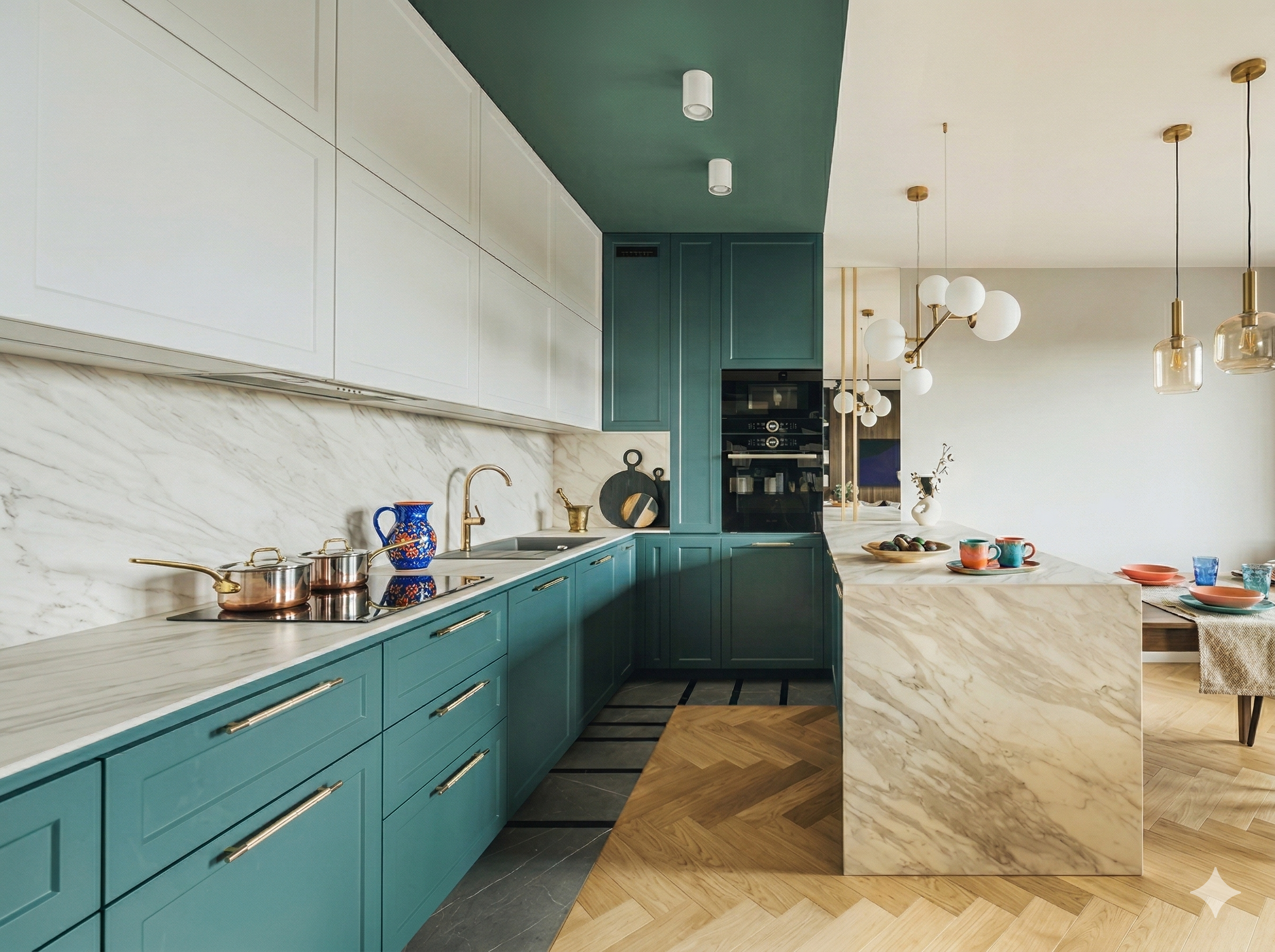
Popular Kitchen Layouts and How They Perform in Different Spaces
Different layouts support different kinds of kitchens. The best choice often depends on the size of the room, how open the surrounding space feels, and how the kitchen is used every day.
Common layouts include:
L-shaped kitchens, which work well in many homes because they keep the layout open while still creating clear work areas
U-shaped kitchens, which offer more surface and storage space, can work especially well in larger kitchens or for households that cook often
Galley kitchens, which can be highly efficient when the spacing is planned well, especially in narrower rooms
Open-concept kitchens, which often need a layout that keeps work zones organized without making the space feel too spread out
Each layout has strengths, but no single option works best in every setting. The goal is to choose one that fits the room and supports the way the kitchen needs to function.
How Kitchen Design Improves Traffic Flow and Usability
Traffic flow can shape how comfortable a kitchen feels to use. A space may have enough storage and counter area, but if walkways are too tight or paths overlap, the kitchen can still feel difficult to navigate.
That is why good kitchen design pays attention to spacing and movement. Clear paths between work areas help reduce congestion and make the kitchen easier to use, especially when more than one person is in the room. This is particularly important around sinks, appliances, and entry points where activity tends to overlap.
A layout with better traffic flow also improves everyday usability. It helps the kitchen feel less crowded, supports smoother routines, and makes the space easier to enjoy over time.
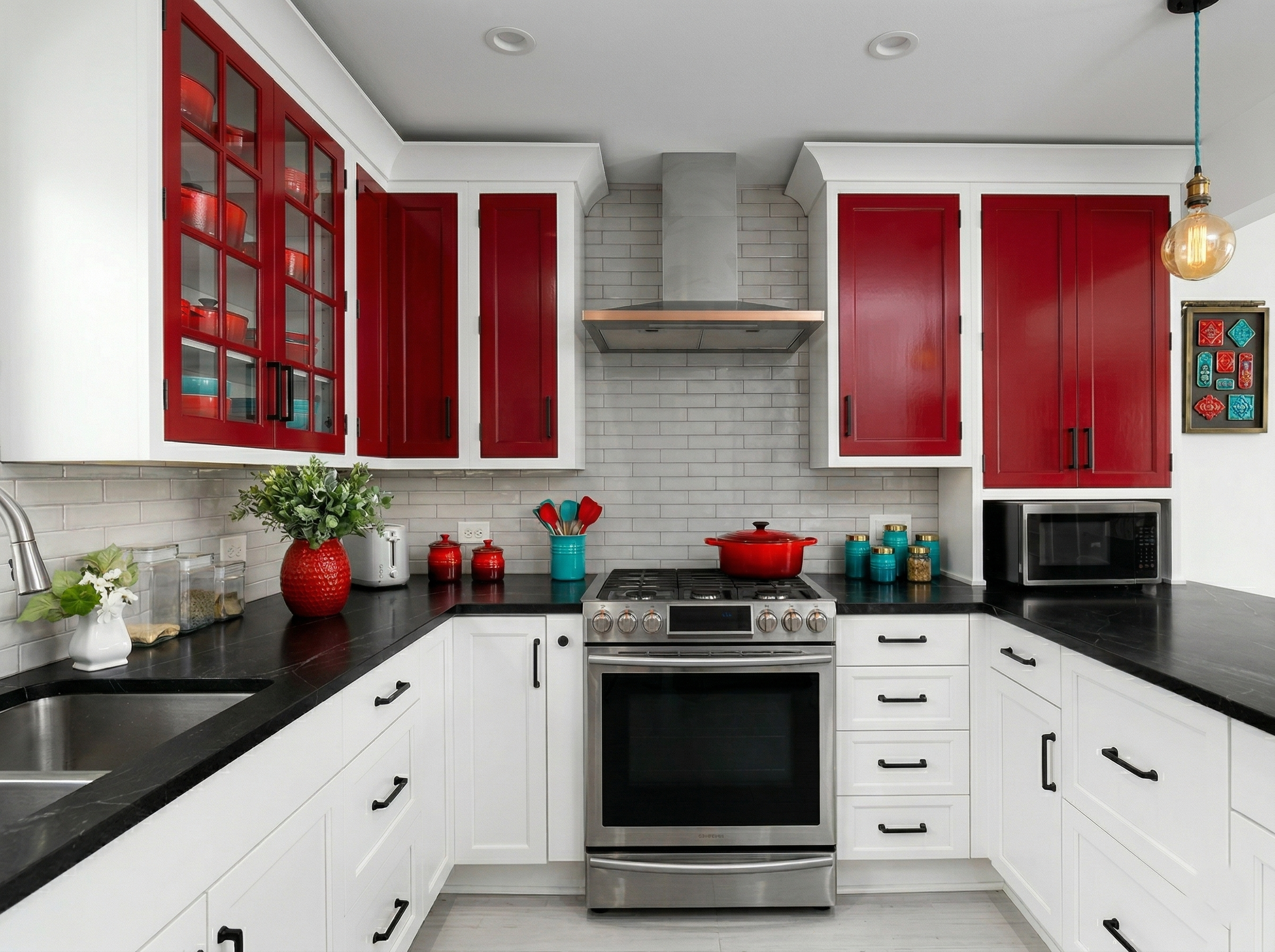
Storage and Work Zones That Improve Efficiency
Storage works best when it supports how the kitchen is used. In many layouts, efficiency comes from placing cabinets, drawers, and appliances where they are needed most. When storage is aligned with prep, cooking, and cleaning areas, the kitchen feels easier to work in.
Keeping everyday items within reach reduces unnecessary movement. Utensils near prep areas, cookware near the range, and cleaning supplies near the sink can help tasks flow more smoothly. These small adjustments can make a noticeable difference in how the space functions.
It also helps to think beyond basic storage. Well-planned drawers, pull-outs, and cabinet organization can keep surfaces clearer and make the kitchen feel more organized without adding extra clutter.
Choosing a Kitchen Design That Fits Your Space and Lifestyle
The right layout should match both the space and the way it is used. A kitchen that looks good on paper may not work as well if it does not support daily routines, household size, or how often the space is used.
That is why the most effective kitchen design choices consider both layout and lifestyle. A busy household may need more durable surfaces and efficient movement between zones, while a more design-focused space may prioritize openness and visual flow.
If you are planning a kitchen update and want a layout that improves both function and flow, contact Kitchen & Bathroom Transformations or get a quote to explore options that fit your space.


