

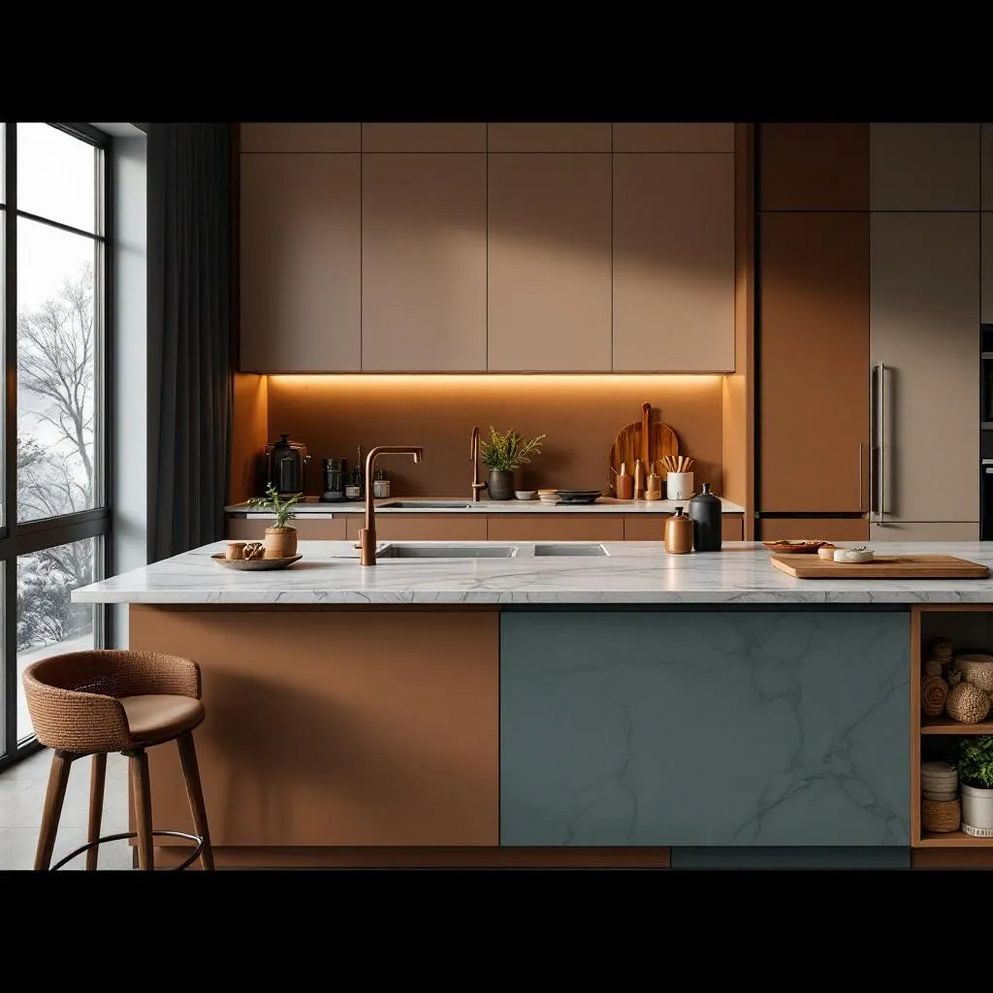
How to Make Your Kitchen Island the Heart of Your Home: Kitchen Island Design Tips
A kitchen island often becomes the most used surface in the home, even more than the dining table. With a thoughtful kitchen island design, it can support cooking, conversation, homework, and daily routines without feeling crowded or chaotic. The key is designing an island that works as hard as the people who use it.
Many homeowners focus on appearance first, but function determines whether an island truly earns its place. Layout, materials, and features all influence how the space feels during everyday use. When these elements work together, the island naturally becomes the heart of the home.
Can Kitchen Island Design Really Make Your Home Feel More Connected?
Yes, because the island influences how people move, gather, and interact throughout the kitchen each day. A well-planned island encourages shared moments while still supporting cooking, prep, and cleanup without disruption. When kitchen island design reflects real daily habits, the space feels naturally connected rather than intentionally staged.
How Should Kitchen Island Design Support Daily Use?
Kitchen island design should reflect how the kitchen functions from morning through evening every day. An island used for quick breakfasts has different needs than one used for large family meals. Understanding daily patterns helps guide smarter design decisions and ensures the kitchen flows efficiently for everyone.
Traffic flow plays a major role in comfort and usability during high-traffic moments. Clear walkways prevent congestion, especially when multiple people are using the space simultaneously. Homeowners benefit from avoiding the layout mistakes discussed in kitchen remodeling mistakes.
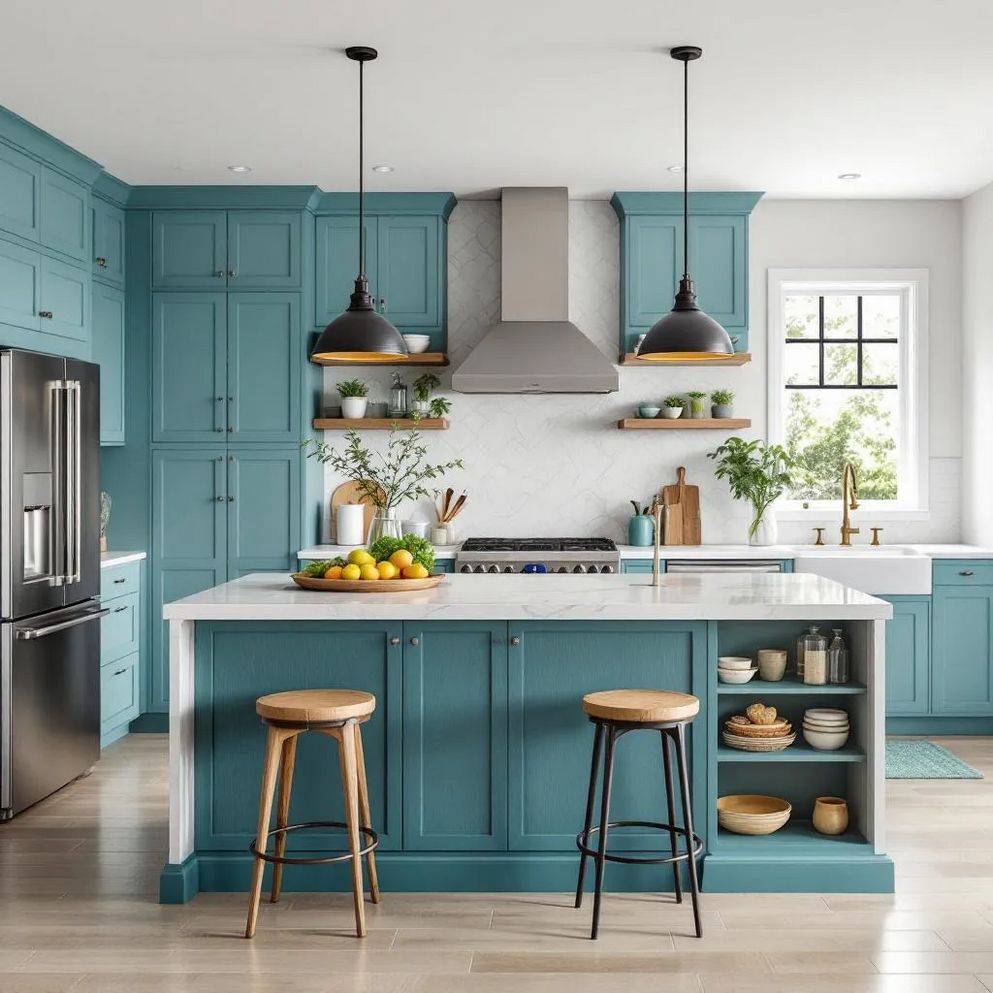
Surface space should match real activity, not just visual preference or style. Prep zones, landing areas, and shared seating all need room to function properly. Thoughtful spacing keeps the island useful rather than decorative, improving both safety and convenience in the kitchen.
Finally, flexibility matters as routines change throughout the week and the year. An island designed around adaptable zones can handle evolving needs for prep, homework, and entertaining. That foresight helps the space stay relevant long term and reduces the need for costly changes.
What Storage and Seating Features Improve Island Function?
Storage and seating transform an island into a functional hub rather than a simple work surface. When thoughtfully planned, these features support daily routines while keeping the kitchen organized and comfortable. Kitchen island design works best when storage and seating reflect how the space is actually used every day.
Smart storage reduces clutter across surrounding countertops and cabinets while improving overall efficiency. Because islands often serve multiple purposes, accessible storage becomes especially valuable during busy moments in the kitchen. This approach aligns with ideas explored in smart kitchen design upgrades.
The most effective island storage solutions include:
Deep drawers that store cookware and frequently used tools within easy reach
Pull-out shelves that improve visibility and reduce bending or overreaching
Built-in cabinets that support prep and serving zones efficiently
Concealed trash or recycling compartments that streamline cleanup
Divided drawer organizers that keep utensils and tools orderly and easy to find
Seating should feel comfortable without disrupting kitchen flow or the workspace. Proper spacing allows people to gather while preserving clear walkways and maintaining usability. When coordinated visually, seating areas complement updates like cabinet refacing.
Thoughtful seating placement encourages connection without sacrificing function in a busy household. The island becomes a place to pause, chat, or complete tasks, not an obstacle to work around. This approach maximizes both usability and comfort while keeping the space inviting.
Why Is Kitchen Island Design Dependent on Durable Surfaces?
An island experiences constant wear from cooking, spills, and daily use in a family kitchen. Because of this, kitchen island design relies heavily on surface durability and long-term performance. Materials must handle heat, moisture, and impact without requiring constant upkeep or replacement.
Nonporous surfaces simplify cleaning and reduce long-term maintenance needs, saving time for busy homeowners. This is especially helpful in homes where the island doubles as a dining or homework area. Insights from durable kitchen surfaces highlight why material choice affects both daily comfort and overall satisfaction.
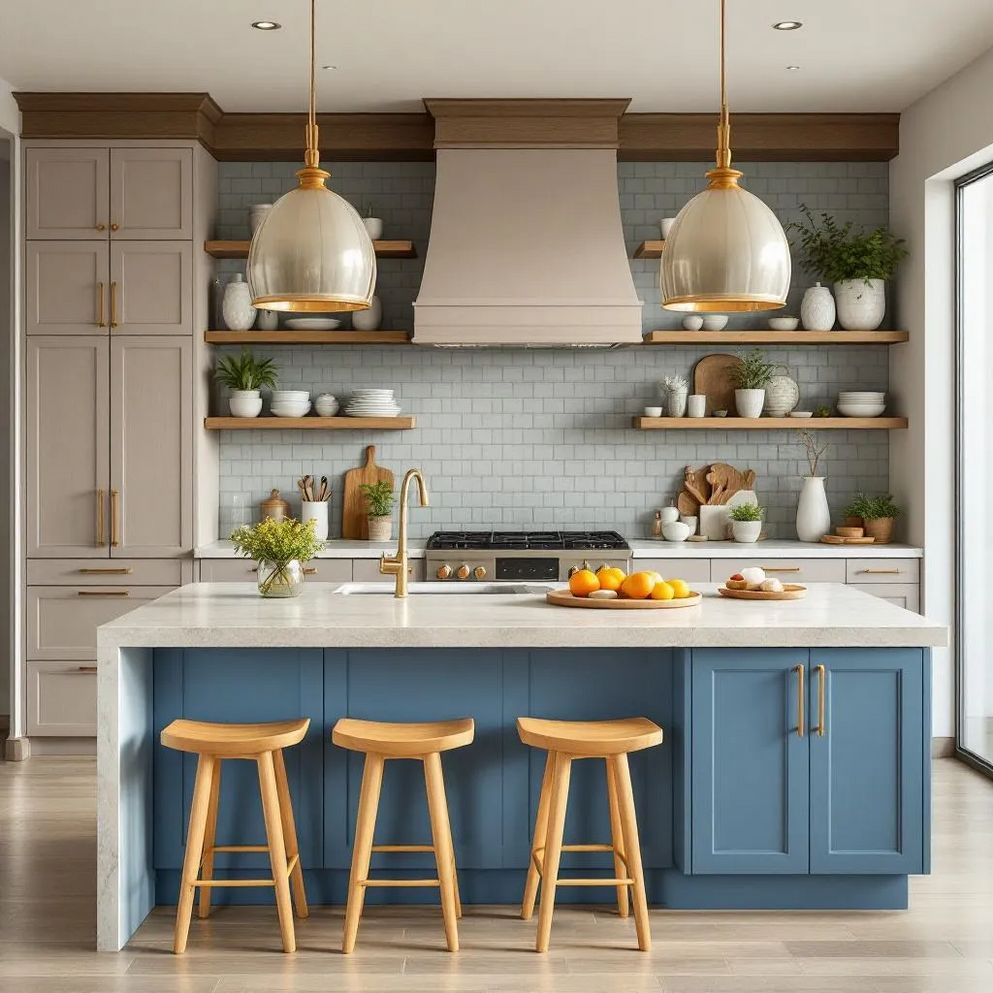
Durability also supports visual longevity by resisting stains, scratches, and fading over time. Surfaces that maintain appearance anchor the room visually without frequent repairs or refinishing. This allows the island to remain a functional and stylish centerpiece for years to come.
Choosing finishes carefully adds another layer of protection while enhancing overall style. Guidance from choosing finish glossy matte countertops shows how performance and aesthetics can coexist. The right surface supports both form and function in everyday household use.
How Do Material and Finish Choices Balance Style and Performance?
Material selection determines how well an island holds up to daily demands from family and guests. Kitchen island design depends on surfaces that resist heat, spills, and frequent cleaning in real-life use. Choosing durable materials supports both appearance and peace of mind for busy homeowners.
Quartz surfaces are often favored for their consistent performance and low maintenance needs over time. Their nonporous structure helps prevent staining while simplifying cleaning tasks in high-traffic areas. These benefits are commonly highlighted in secret long-lasting quartz countertops.
Key material qualities that support long-term island performance include:
Resistance to staining from food, liquids, and everyday spills in a family kitchen
Strength against scratches caused by frequent prep and use by children or adults
Heat tolerance suitable for hot cookware, appliances, and baking projects
Nonporous surfaces that promote hygiene and make cleaning effortless
Long-lasting finishes that maintain appearance over time without extra maintenance
Finish selection further shapes how the island looks and feels while reflecting your style. Matte finishes soften light and reduce glare, while polished options reflect brightness for a more open feel. Guidance from kitchen countertops helps homeowners evaluate these options clearly and confidently.
When material and finish choices align with lifestyle needs, the island remains both practical and visually appealing. This balance supports confidence in the design for years to come. It ensures the kitchen island continues to serve as a functional and welcoming centerpiece for the home.
Designing a Kitchen Island That Brings Everything Together
A kitchen island succeeds when it supports daily routines while creating space for connection. Thoughtful layout, durable surfaces, and smart features all contribute to that balance. Over time, these choices shape how the kitchen is experienced by family and guests alike.
Kitchen and Bathroom Transformations helps homeowners refine island surfaces that support real life while enhancing visual appeal. Their team offers guidance on durable materials and thoughtful design solutions tailored to daily use. To explore countertop and surface upgrades for your island, contact their team through their consultation page.


