

How to Create a Seamless Indoor-Outdoor Design
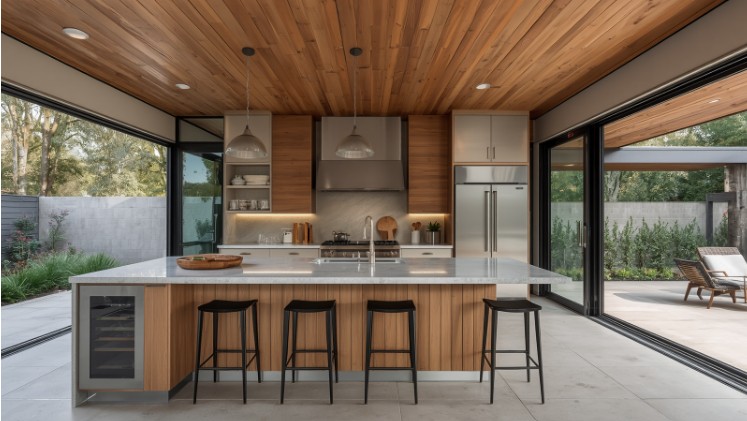
An Indoor-Outdoor kitchen should feel like a natural extension of the home, not a second space with a completely different look. The best designs make it easier to move between cooking, serving, dining, and gathering without a visual break that interrupts the flow.
For many homeowners, that means thinking beyond the outdoor kitchen on its own. A strong Indoor-Outdoor kitchen works best when layout, materials, color, and function all move in the same direction.
Start with a Consistent Indoor-Outdoor Kitchen Layout
A seamless design usually starts with the layout. The goal is to make the indoor kitchen and outdoor area feel connected in the way people actually use them. Prep space, serving space, and traffic flow should work naturally on both sides of the transition.
The two spaces do not need to match exactly, but they should support similar routines. If the indoor kitchen centers around an island where people prep, serve, and gather, the outdoor side may benefit from a serving counter, built-in bar, or dining area that creates a similar rhythm. That makes it easier to move food, drinks, and people between spaces without breaking the flow.
When the layout feels intuitive, the whole design feels more unified. It becomes easier to cook, entertain, and move between the two areas as if they are part of one larger kitchen experience.
Use Matching Materials to Connect Indoor and Outdoor Spaces
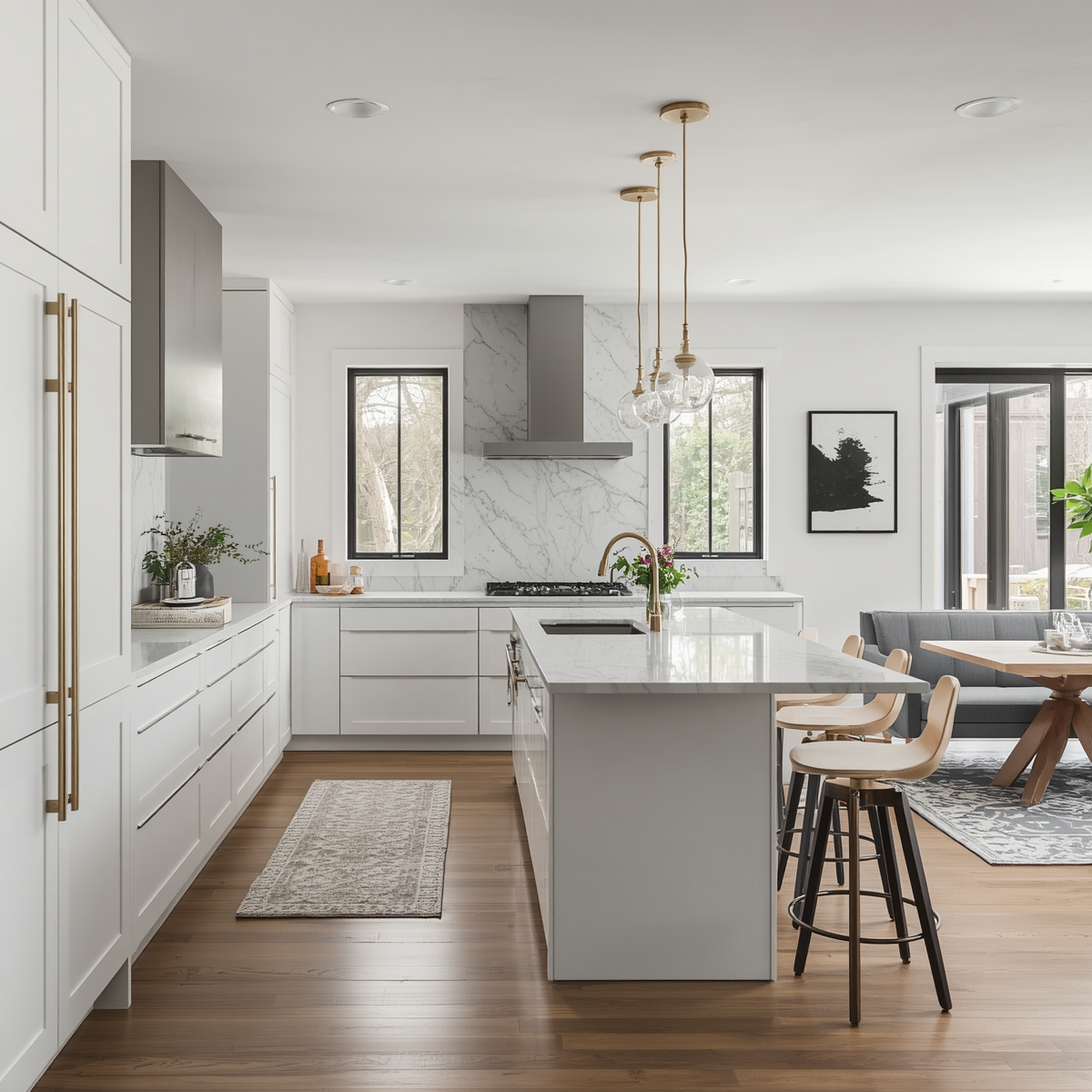
Materials do a lot of the visual work in an Indoor-Outdoor kitchen. When countertop finishes, cabinet tones, or surface textures feel related, the two spaces are more likely to feel connected instead of separate.
That does not mean every material needs to match exactly. In many cases, similar tones or complementary finishes work better than copying everything one for one. An indoor quartz surface might connect to an outdoor counter in a similar shade, or cabinet colors inside might be echoed through storage, trim, or seating outside. Those repeated cues help the transition feel smoother.
When materials work together, the whole design feels more intentional. For homeowners comparing options, kitchen countertops, cabinet refacing, and countertop colors can help narrow down combinations that feel coordinated without looking overdone.
Choose Flooring That Blends the Transition
Flooring can either unify the space or interrupt it. When indoor and outdoor floors feel completely disconnected in tone or scale, the transition can seem abrupt. When they relate more closely, the whole design tends to feel smoother.
Tone matters as much as material. Similar color values, large-format surfaces, or finishes that echo one another can help keep the eye moving naturally from one space to the next. Outdoors, practicality still matters, so slip resistance and weather performance should stay part of the decision. The goal is not perfect duplication. It is a transition that feels considered instead of accidental.
Lighting Should Feel Connected Across Both Spaces
Lighting has a major effect on whether an Indoor-Outdoor kitchen feels cohesive. If the indoor kitchen feels warm and layered, but the outdoor side feels harsh or dim, the connection between the two breaks down quickly.
A better approach is to think in layers. Task lighting supports prep and cooking, while softer ambient lighting makes both spaces feel more inviting later in the day. Keeping fixture styles, light warmth, and brightness levels in the same general range can help the transition feel smoother.
Create a Natural Flow with Doors and Openings
The opening between the two spaces matters as much as the design details around it. Wide door openings, large glass panels, and clear sightlines help the indoor kitchen and outdoor area feel related even when they serve slightly different functions.
This matters even more when entertaining. If serving food, carrying drinks, or moving guests between spaces feels awkward, the design will feel less seamless in real life. A natural flow should support both daily use and gatherings. The best transitions make the outdoor area feel close to the kitchen, not detached from it.
Keep the Color Palette Consistent
Color is one of the simplest ways to tie an Indoor-Outdoor kitchen together. When both spaces use related tones, the result usually feels more polished and intentional. Light neutrals, warm woods, natural stone looks, and softer seasonal colors often work especially well because they feel flexible across both settings.
For homeowners who want a brighter direction, fresh color palettes can help show how lighter tones refresh a kitchen without making it feel overdone. And for those comparing finish behavior, glossy and matte countertops help explain how reflective and softer finishes can change the mood of a space. Glossy finishes reflect more light and can make rooms feel brighter, while matte finishes create a calmer, more understated effect and often hide marks more easily.
Design for Both Function and Entertainment
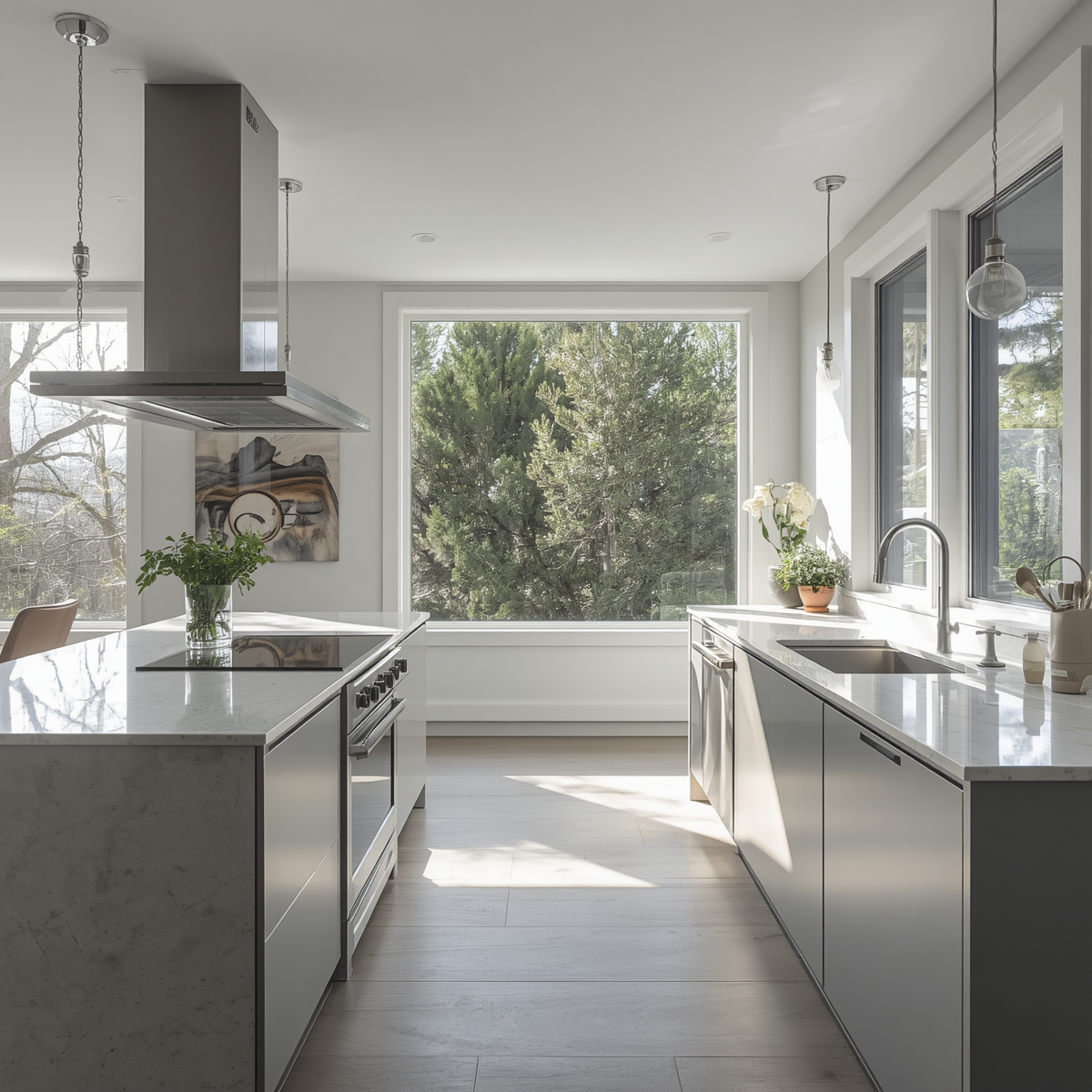
A seamless design still has to work. The indoor side may handle more prep and cleanup, while the outdoor side may do more of the gathering and serving. When both zones are planned with those roles in mind, the whole setup tends to feel easier to use.
This is one reason surface-focused updates can be so effective. Countertops, cabinet faces, backsplashes, shower walls, and vanity surfaces often create a strong visual impact because they influence both function and appearance. Applying that same thinking to an Indoor-Outdoor kitchen can help homeowners focus on the updates that make the biggest difference first.
A Seamless Indoor-Outdoor Kitchen Should Feel Like One Space
The best Indoor-Outdoor kitchen designs balance connection and practicality. They use layout, materials, lighting, color, and openings to create continuity while still making sure both spaces work the way they should.
For homeowners ready to turn ideas into actual options, Kitchen & Bathroom Transformations offers kitchen countertops, cabinet refacing, countertop colors, and a direct way to request a quote. With the right choices, an indoor-outdoor design can feel more connected, more usable, and much easier to enjoy.


