

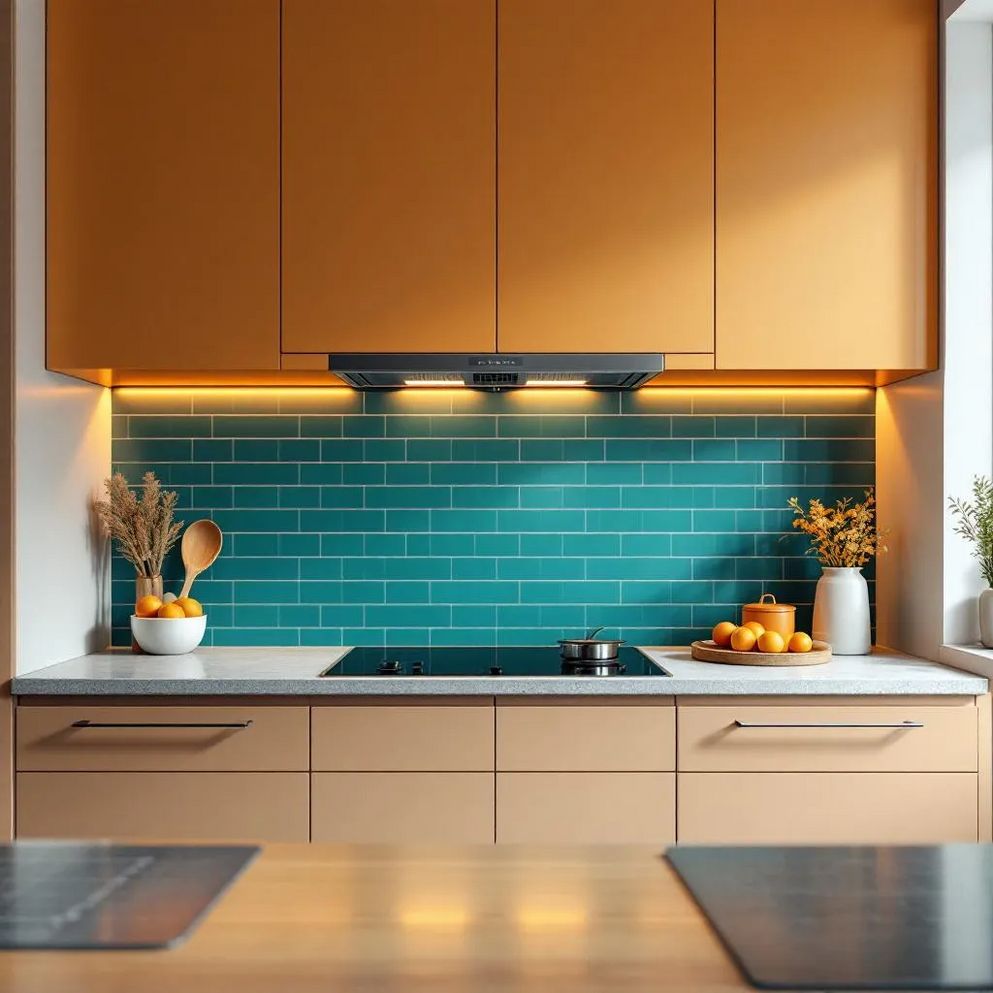
How to Add Visual Warmth to a Warm White Kitchen
A bright, warm white kitchen can feel clean and fresh, but sometimes it risks appearing cold or sterile. Adding visual warmth to a warm white kitchen can transform the space into a cozy, inviting environment. With the right textures, materials, and design elements, homeowners can make white kitchens feel lived‑in without a full remodel.
Even small upgrades, like countertops or lighting tweaks, significantly affect the room’s overall atmosphere. A warm white kitchen offers a flexible base, making it easy to layer in accents and finishes. By thoughtfully integrating complementary elements, you can create a kitchen that is both functional and welcoming.
Can a Warm White Kitchen Feel Cozy?
Yes, a warm white kitchen can feel cozy and inviting with the right adjustments. Layering textures, finishes, and subtle colors adds depth that prevents the space from feeling stark. Even simple changes, like updating lighting or hardware, make the kitchen feel warmer and more personal.
How Can Layering Textures Add Warmth?
Layering textures is one of the most effective ways to enhance a warm white kitchen. By thoughtfully combining materials, fabrics, and finishes, a kitchen can feel softer and more inviting. Even small adjustments can create a sense of comfort and cohesion throughout the space.
Natural Fibers: Woven rugs, linen curtains, and cushioned chairs add contrast against smooth, white surfaces.
Material Mix: Combining wood, metal, and glass elements introduces depth and visual interest.
Finish Variety: Using matte, satin, or textured finishes on cabinetry, walls, and countertops softens the overall look.
Textiles and Accessories: Kitchen towels, seat cushions, or decorative fabrics reinforce cozy visual appeal.
Metal Accents: Brass, bronze, or copper hardware adds subtle warmth and elegance to the space.
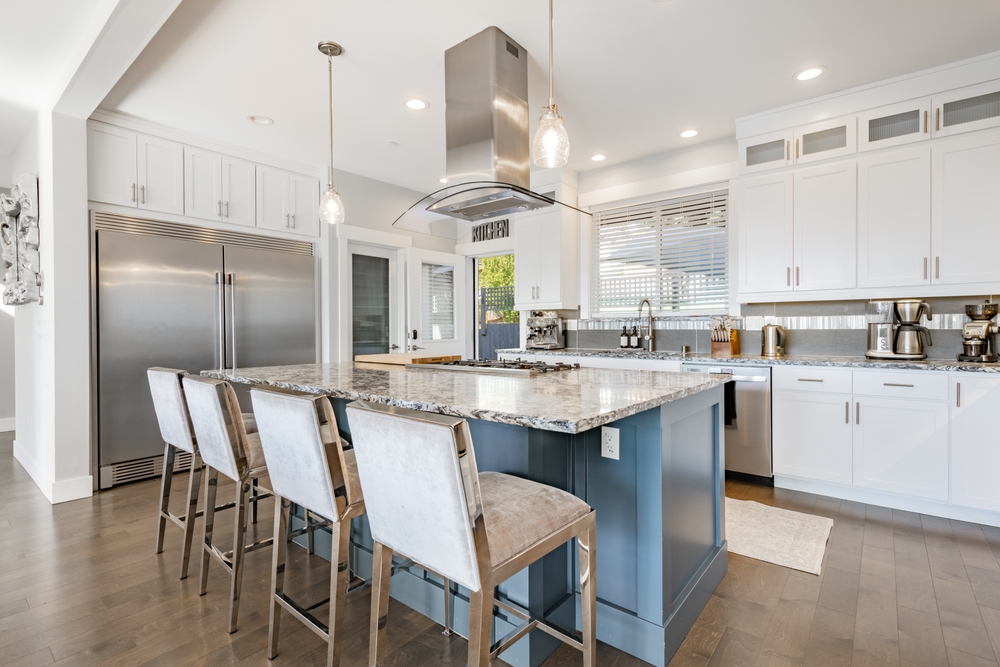
These layered textures ensure the warm white kitchen feels balanced, cohesive, and welcoming. Incorporating strategies for mixing warm and cool tones helps maintain a bright yet comfortable aesthetic. Using tips for balancing kitchen colors keeps the space naturally warm while maintaining the bright white aesthetic.
Why Are Countertops and Backsplashes Important?
Countertops and backsplashes play a central role in defining the warmth of a kitchen. Light-colored quartz or stone surfaces with soft veining can introduce subtle tones that balance bright whites. Warm undertones in these surfaces reflect light in a softer, more comforting way.
Choosing a backsplash with natural patterns, such as marble or stone textures, enhances visual interest without overpowering the space. Even simple tile arrangements in cream or beige can break up expanses of white. These updates are especially effective in open kitchens where lighting accentuates surface details.
Countertops and backsplashes also offer practical benefits, being durable and easy to maintain. Surfaces like quartz resist scratches and stains while supporting a stylish finish. Homeowners looking for family-friendly durable surfaces can find inspiration for combining warmth and practicality.
Subtle differences in veining, color, or texture between countertops and backsplash create depth. Coordinated choices ensure that the warm white kitchen feels intentional rather than flat or overly clinical. Quartz surfaces that withstand daily wear blend durability with a visually inviting tone.
How Do Cabinet Hardware and Fixtures Influence Tone?
Cabinet hardware and fixtures greatly impact how a warm white kitchen feels. Brass or bronze handles introduce subtle warmth and an elegant touch. Choosing softly finished hardware keeps the overall aesthetic approachable and cohesive.
Faucets with warm metallic finishes harmonize with white cabinets and countertops. Drawer pulls and knobs guide the eye and add personality without overpowering the space. Thoughtful layering of these details creates a polished, welcoming environment.
Fixtures should complement other design elements, like lighting and shelving. Subtle coordination prevents the kitchen from feeling cold or clinical. The warm white kitchen becomes more cohesive with careful hardware choices.
Even small changes, like swapping handles or faucet finishes, can dramatically influence the kitchen’s tone. These upgrades are relatively simple but contribute significantly to a more inviting atmosphere.
Which Flooring Options Best Ground a Warm White Kitchen?
Choosing the right flooring is key to creating a grounded, warm feel in a white kitchen. The floor can add both texture and subtle color, balancing bright cabinetry and countertops. Selecting flooring with warmth and character helps make the kitchen feel more inviting.
Wood Flooring: Oak, maple, or hickory tones complement white cabinetry and add natural warmth.
Tile Flooring: Cream, beige, or light stone tiles provide durability while maintaining cozy visual appeal.
Runners or Rugs: Patterned or natural fiber mats soften hard surfaces and add tactile interest.
Layered Materials: Combining wood-look tile or subtle vinyl with area rugs creates defined zones.
Cushioned Pads: Mats under work areas improve comfort and enhance warmth underfoot.
Thoughtful flooring selection ties together all elements of a warm white kitchen. It reinforces the visual flow between countertops, cabinets, and furniture. With the right choices, flooring creates a cozy and cohesive foundation for the entire space.
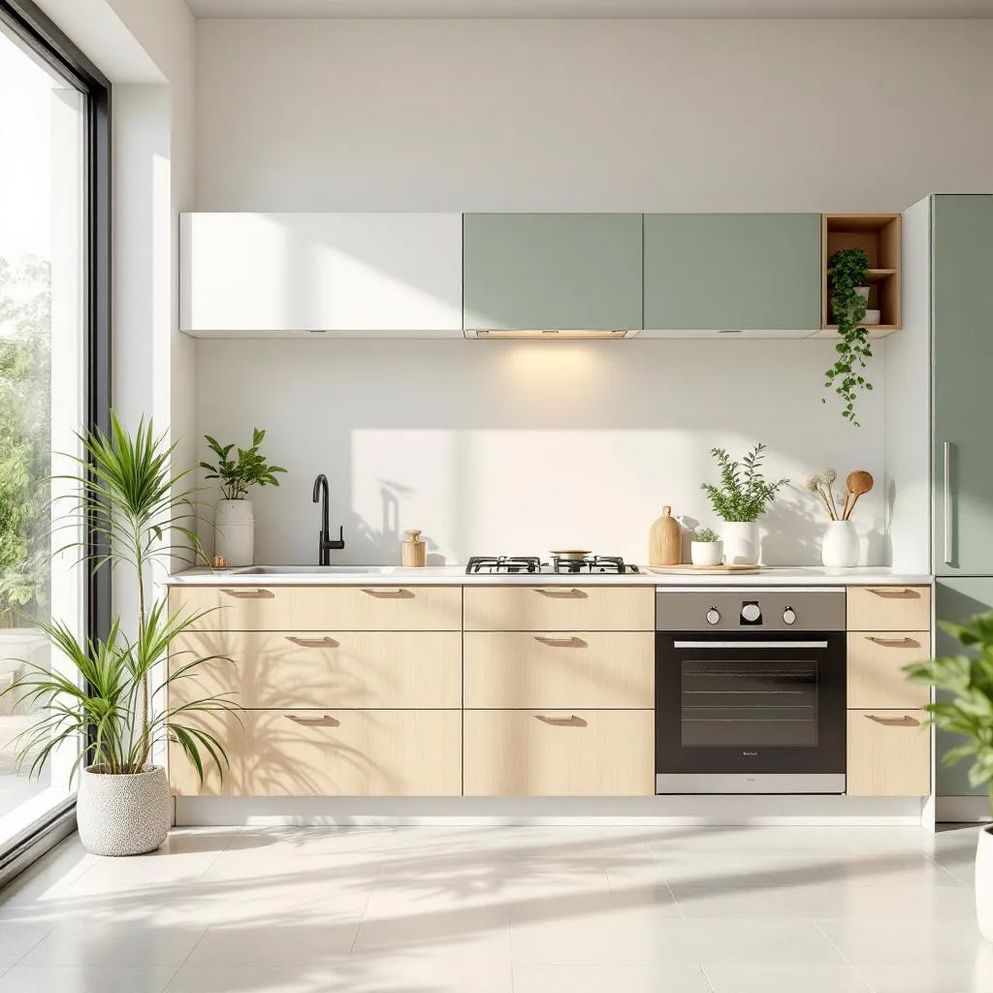
How Can Lighting Enhance a Warm White Kitchen?
Lighting dramatically affects the warmth and mood of a kitchen. Natural light enhances soft white tones, making the space feel open yet welcoming. Combining ambient, task, and accent lighting creates depth while highlighting surfaces and textures.
Warm LED bulbs or dimmable options prevent harsh glare on white surfaces. Under-cabinet lighting brightens workspaces while contributing subtle warmth. Pendant lights over islands or dining areas introduce design interest and softness.
Layered lighting helps emphasize key textures and materials, like quartz countertops or backsplash tiles. Reflective surfaces bounce light, creating a balanced and inviting environment. Thoughtful lighting ensures the warm white kitchen feels bright, yet comfortably cozy.
Even small adjustments, like changing bulb temperature or adding fixtures, can transform perception. Balanced lighting enhances both function and mood. Layered lighting also complements finishes and surfaces found in modern bathrooms and kitchens.
Bringing It All Together: Creating an Inviting Warm White Kitchen
Adding warmth to a warm white kitchen is achievable through intentional choices in texture, finishes, and lighting. Countertops, backsplashes, flooring, hardware, and fixtures all contribute to a cohesive, welcoming space. These updates can be integrated without a full renovation, making the process both practical and rewarding.
Surface upgrades are particularly effective in transforming a kitchen’s tone. Kitchen and Bathroom Transformations specializes in resurfacing and countertop solutions that enhance warmth, durability, and style. Contact us to see how your white kitchen can feel inviting and lived-in by visiting.


