


Eco-Friendly Countertop Choices for Sustainable Homes
Selecting materials that reduce environmental impact is a priority for today’s homeowners. An eco-friendly countertop combines durability, style, and practicality while minimizing waste. Thoughtful choices now ensure long-lasting performance and visually appealing kitchens and bathrooms.
Sustainable surfaces help busy households reduce maintenance while enhancing everyday usability. Choosing long-lasting materials lowers energy and resource consumption over time. Incorporating eco-conscious products supports healthier living environments and responsible home design.
How Can an Eco-Friendly Countertop Transform Your Space?
An eco-friendly countertop enhances both style and functionality in kitchens or bathrooms while supporting sustainability. Durable materials like engineered quartz reduce the need for frequent replacements, saving time and resources. These surfaces also simplify cleaning, conserving water and minimizing chemical use.
Why Is Engineered Quartz a Sustainable Option?
Engineered quartz provides long-term durability and environmental benefits for kitchens and bathrooms. Its low-porosity surface resists scratches, stains, and heat, which reduces the need for frequent repairs. Choosing quartz extends countertop life, preventing unnecessary waste.
Many quartz products incorporate recycled content, combining sustainability with a modern appearance. Resurfacing quartz surfaces extends usability without replacing existing cabinets. In colder climates, quartz resists cracking and maintains durability, reflecting the benefits of quartz countertops during cold weather.

Quartz’s smooth finish simplifies cleaning routines, saving water and cleaning products. It performs well under frequent use in high-traffic kitchens and bathrooms. This combination of durability, low maintenance, and style makes quartz a practical, sustainable choice.
Finally, quartz is available in a wide range of colors and textures. Its versatility allows seamless integration with various cabinet styles, making it an ideal eco-friendly countertop choice. Selecting engineered quartz supports both functionality and responsible design.
How Do Recycled Materials Add Character and Value?
Countertops made from recycled glass, concrete, or composite materials provide unique textures and patterns. Each slab often contains post-consumer content, diverting waste from landfills. These options create a sustainable eco-friendly countertop without compromising visual appeal.
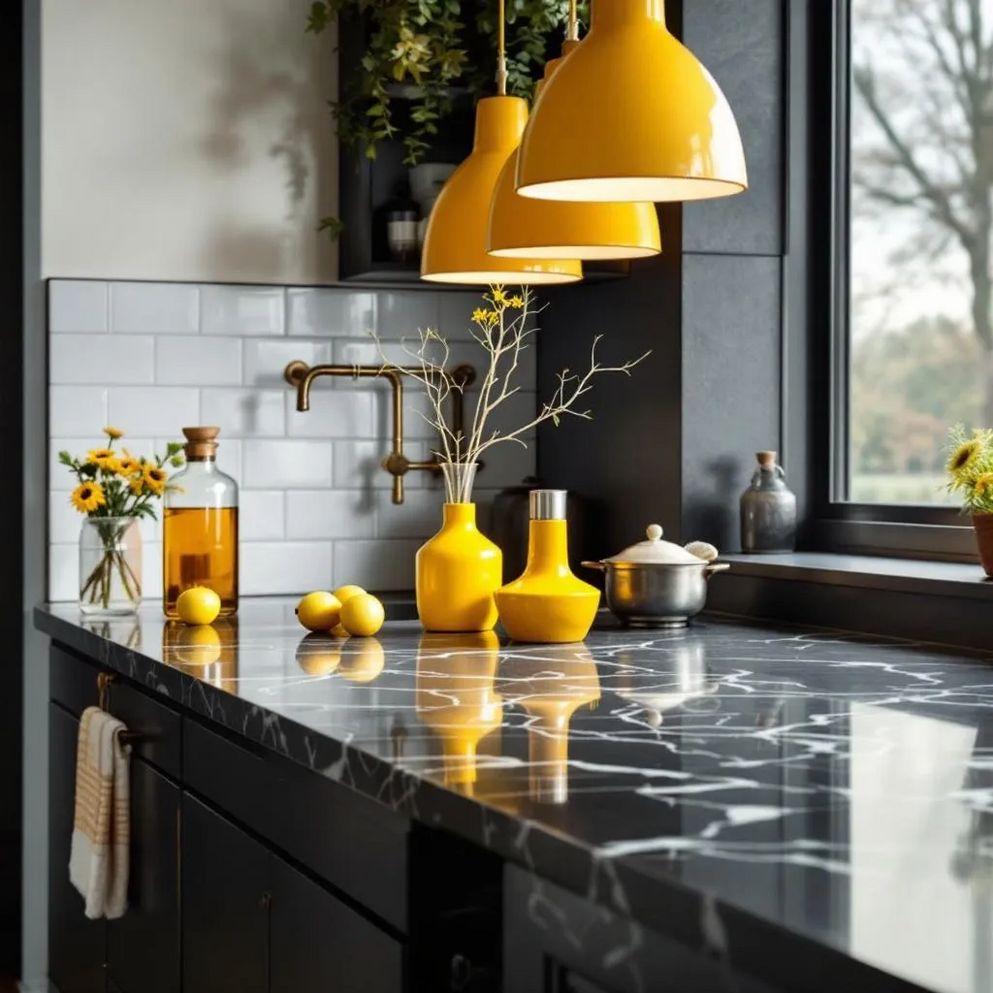
Recycled countertops pair well with neutral tones or bold backsplash designs. Proper sealing supports long-lasting performance in kitchens and bathrooms. Homeowners can choose glossy or matte countertops to complement the overall kitchen aesthetic and personal style.
Glass and composite options resist heat and scratches, reducing replacement needs. They allow for creative designs with vibrant or subtle color variations. These surfaces are ideal for families and high-traffic areas.
Low-maintenance recycled materials save time and resources for busy households. Choosing low-maintenance countertops allows homeowners to enjoy stylish surfaces that require minimal upkeep. Their aesthetic appeal enhances overall room design while supporting sustainability.
What Maintenance Should You Consider for Eco-Friendly Countertops?
Maintenance is essential for extending the life of your surfaces while reducing environmental impact. An eco-friendly countertop requires thoughtful upkeep to remain both beautiful and durable. Simple, practical maintenance choices can save time, resources, and energy over the long term.
When considering upkeep for sustainable countertops, focus on the following key practices:
Regular cleaning with gentle products: Use non-abrasive, eco-friendly cleaners to preserve surface integrity and minimize chemical use.
Periodic sealing for porous materials: Quartz typically needs minimal sealing, while recycled concrete or glass may require occasional protection.
Preventative measures against heat and scratches: Use trivets and cutting boards to avoid surface damage and extend lifespan.
Prompt stain removal: Address spills quickly to prevent lasting marks, especially on lighter-colored or recycled surfaces.
Integrating with eco-conscious systems: Pair surfaces with water-saving fixtures and energy-efficient appliances to enhance overall sustainability.
By following these steps, homeowners maintain the durability and appearance of their countertops efficiently. Thoughtful maintenance ensures that sustainable surfaces remain functional, stylish, and environmentally responsible.
How Does Resurfacing Compare to Full Replacement?
Resurfacing existing countertops is a highly sustainable alternative to complete replacement. It produces minimal waste, avoids demolition, and preserves cabinet integrity. Homeowners can achieve a refreshed look with an eco-friendly countertop while maintaining minimal environmental impact.
Modern resurfacing methods create smooth, durable, scratch-resistant surfaces. Extending the life of existing materials aligns with eco-conscious design principles. Resurfacing also allows homeowners to explore a wide variety of kitchen countertop options, from traditional stone looks to modern engineered designs, without the cost and waste of full replacements.
Professional resurfacing maintains both aesthetics and performance, even for older surfaces. It reduces energy use associated with manufacturing and installing new countertops. Homeowners enjoy updated style while supporting sustainability.
Resurfacing complements other eco-friendly choices, such as recycled backsplashes or low-VOC paints. Integrating multiple sustainable materials amplifies environmental benefits. Holistic design ensures lasting functionality and visual appeal.
Pairing Countertops With Other Eco-Conscious Materials
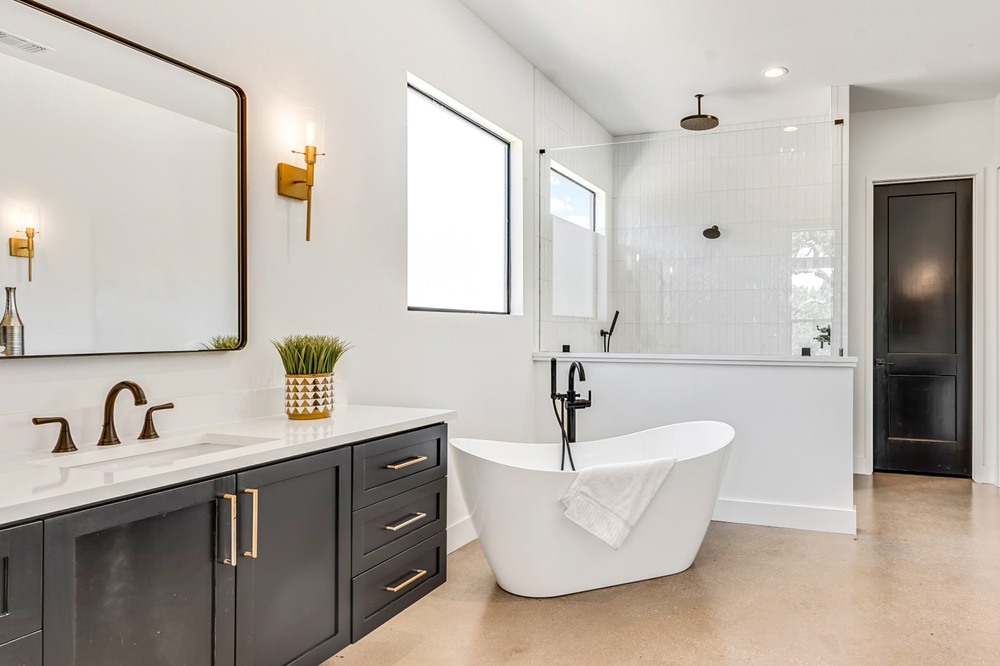
Pairing surfaces with complementary materials enhances both sustainability and style. An eco-friendly countertop works best when combined with other responsible, durable elements in your kitchen or bathroom. Thoughtful coordination ensures long-term usability while supporting environmentally conscious design.
When selecting complementary materials, consider these key options:
Sustainable cabinetry: Choose cabinets made from reclaimed or FSC-certified wood to reduce environmental impact.
Low-VOC paints and finishes: These coatings improve indoor air quality and minimize harmful chemical use.
Energy-efficient fixtures and lighting: LED lights and water-saving faucets enhance functionality while lowering energy consumption.
Natural materials for accents: Bamboo, cork, or reclaimed wood add warmth and texture without compromising sustainability.
Coordinated finishes: Select glossy or matte surfaces that harmonize with countertops for a polished, eco-conscious look.
Combining these elements creates a cohesive and responsible design. Thoughtful pairing ensures your eco-friendly countertop and surrounding materials make your kitchen or bathroom both beautiful and environmentally friendly.
Eco-Friendly Countertops That Last
Investing in an eco-friendly countertop allows homeowners to combine style, durability, and environmental responsibility. Materials like engineered quartz or recycled composites reduce waste and support long-term performance. Thoughtful maintenance and resurfacing options extend surface life while enhancing design.
Kitchen & Bathroom Transformations helps homeowners explore sustainable options, from resurfacing existing surfaces to installing low-maintenance, recycled countertops. Professional guidance ensures both practical durability and aesthetic appeal. Schedule a call today to discover eco-conscious countertop solutions tailored to your home.


