


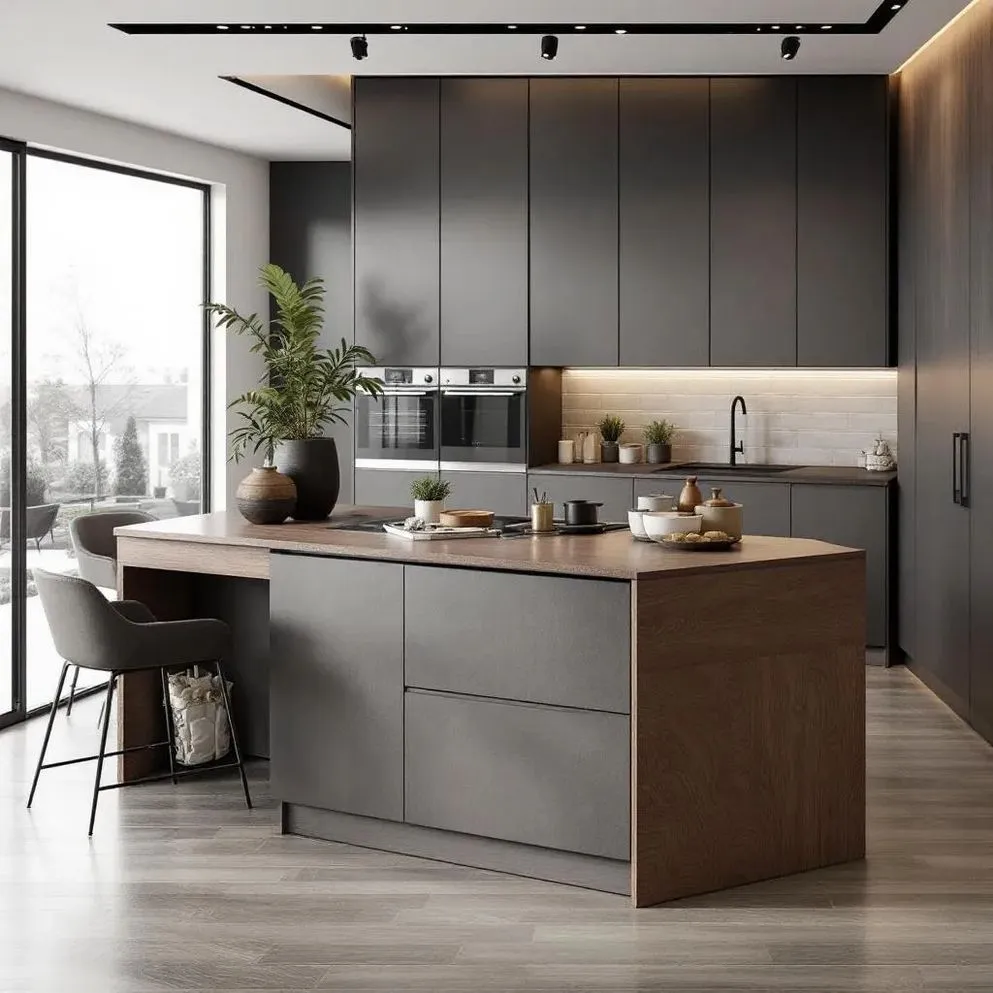
How to Choose the Right Countertop Thickness for Your Kitchen Design
A kitchen countertop shapes both the look and functionality of any kitchen. Selecting the right thickness influences durability, usability, and visual appeal. Many homeowners focus on style alone and overlook how thickness affects daily life and long-term satisfaction.
Thicker countertops convey strength and luxury, while thinner options create a sleek, modern aesthetic. Understanding how thickness interacts with material and kitchen design ensures your investment meets both practical and visual goals. Considering these factors early helps prevent costly adjustments later.
What Kitchen Countertop Thickness Works Best for My Kitchen Design?
Choosing the right kitchen countertop thickness depends on style, durability, and daily use. Thicker surfaces provide extra strength for heavy cooking and create a sense of solidity. Thinner slabs offer a modern, streamlined look while performing well with durable materials like engineered quartz.
How Does Countertop Thickness Affect Durability and Maintenance?
Thicker countertops generally withstand heavy use better than thinner ones. They resist scratches, heat, and everyday wear, making them ideal for busy households. Thinner slabs can perform well but may require more careful handling and maintenance.
Material choice interacts with thickness to determine longevity. High-quality quartz provides strength and scratch resistance even in thinner profiles, as explained in the ultimate guide to low-maintenance countertops. This allows homeowners to enjoy consistent performance without compromising aesthetics.
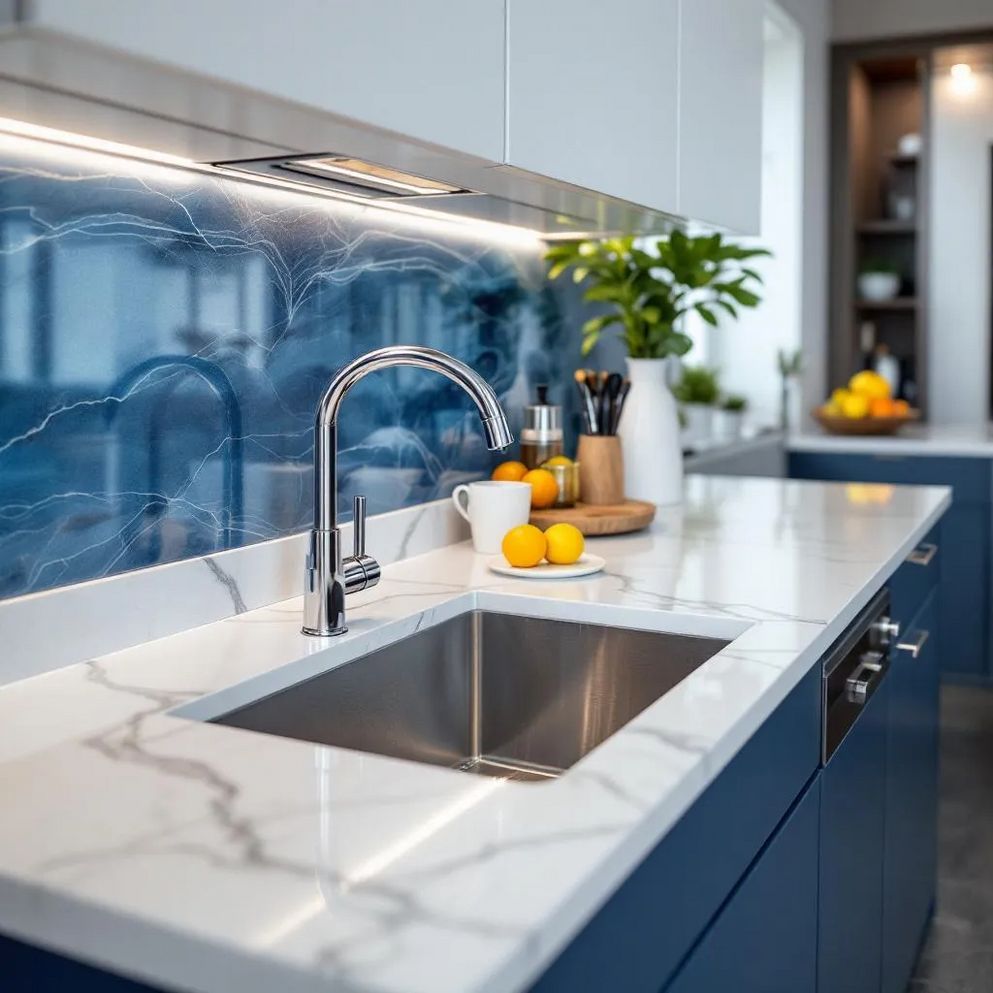
Edge profiles also influence durability. Rounded or beveled edges on thicker slabs reduce chipping risk, while thin surfaces with sharp edges may need extra protection. Understanding your kitchen habits ensures a lasting surface.
Maintenance expectations vary as well. Thick kitchen countertop slabs can hide minor wear, whereas thin ones may show everyday marks more quickly. Choosing low-maintenance finishes supports both durability and visual appeal.
Balancing Visual Impact With Your Kitchen Countertop
Kitchen countertop thickness directly affects the room’s visual balance. Thick kitchen countertops create a bold focal point, while thinner slabs maintain a lighter, more open feel. Matching thickness with cabinetry height and style preserves proper proportion throughout the space.
Lighting can accentuate either thick or thin surfaces. Under-cabinet lighting highlights delicate edges, while overhead illumination enhances depth and texture. Proper lighting ensures a harmonious look alongside practical benefits.
Color and finish further influence perception. Dark, thick slabs may feel heavy, whereas lighter, thin options can visually expand the space. Selecting the right finish can transform the kitchen’s aesthetic, whether glossy or matte.
Integration with existing design elements matters. Coordinating countertops with backsplashes, appliances, and flooring creates cohesion. Small adjustments, such as those in kitchen design resolutions, can make a big visual difference.
How Should Countertop Thickness Coordinate With Cabinets and Appliances?
Countertop thickness affects cabinet alignment, appliance fit, and overall kitchen balance. Choosing the wrong profile can disrupt workflow and create gaps between surfaces. Planning coordination early guarantees a seamless, polished result.
Key points to consider include:
Match cabinet height: Ensure countertops fit standard cabinet dimensions for a proportional appearance.
Align appliances: Thinner slabs may work better with counter-depth refrigerators and stoves.
Plan backsplash integration: Thicker countertops allow taller or integrated backsplashes, while thin surfaces may need custom trimming.
Maintain material consistency: Using the same material ensures uniformity across edges, surfaces, and overhangs.
Check overhangs and support: Confirm that slab thickness works safely with cantilevers or seating areas.
Coordinating thickness with cabinetry and appliances maximizes both aesthetics and practicality. Proper planning ensures your kitchen countertop looks intentional and performs well over time.
Practical Tips for Choosing the Right Kitchen Countertop Thickness
Selecting the right kitchen countertop thickness requires more than aesthetic preference. Understanding how your space will be used daily ensures both style and durability. Evaluating material, layout, and lifestyle needs prevents costly mistakes.
Here are five practical considerations to guide your choice:
Assess daily kitchen use: Heavy cooking or frequent entertaining may require a thicker, more durable surface.
Test edge profiles: Mockups help visualize how rounded, beveled, or sharp edges will look and feel.
Consider maintenance needs: High-quality quartz provides low-maintenance countertops, while other materials may require more careful upkeep.
Evaluate kitchen layout: Ensure thickness complements cabinetry, appliances, and backsplash alignment.
Visualize color and finish: Lighter or darker slabs interact differently with lighting and surrounding décor.
Factoring in these points ensures a kitchen countertop that combines functionality with design appeal. Thoughtful planning simplifies installation and enhances long-term satisfaction.

What Are the Cost Considerations for Your Kitchen Countertop?
Thicker countertops usually raise material costs because more stone or engineered quartz increases overall volume. Shipping and handling expenses can further add to the total project budget significantly. Homeowners often overlook these additional costs when comparing countertop thickness options.
Thinner slabs generally reduce upfront costs while still providing a polished, high-end kitchen appearance. High-quality materials like engineered quartz maintain durability even in slimmer profiles for everyday use. Careful material selection ensures both affordability and long-lasting functionality for your kitchen surfaces.
Labor requirements significantly influence total pricing, especially for heavier, thicker countertop installations requiring extra support. Professional installation may be necessary to safely manage the weight and prevent damage during handling. Thinner countertops often install more quickly, requiring less reinforcement and lowering labor complexity and cost.
Long-term value is equally important when evaluating countertop thickness and material performance. Durable thick slabs resist scratches, heat, and daily wear, minimizing future repair and replacement costs. Thinner options may need more maintenance, which can gradually offset initial savings over time
Choosing the Right Kitchen Countertop Thickness for Style and Function
Countertop thickness affects durability, design, and everyday usability. Balancing aesthetic goals with practical needs helps create a functional and visually appealing kitchen. Considering material, edge profiles, and kitchen layout ensures long-term satisfaction.
Engineered quartz offers versatile thickness options, low maintenance, and reliable performance. Kitchen & Bathroom Transformations provides expert resurfacing and installation services, delivering stylish, long-lasting countertops with minimal disruption. Get in touch with Kitchen & Bathroom Transformations to achieve a kitchen countertop that aligns perfectly with your design and lifestyle goals.


