


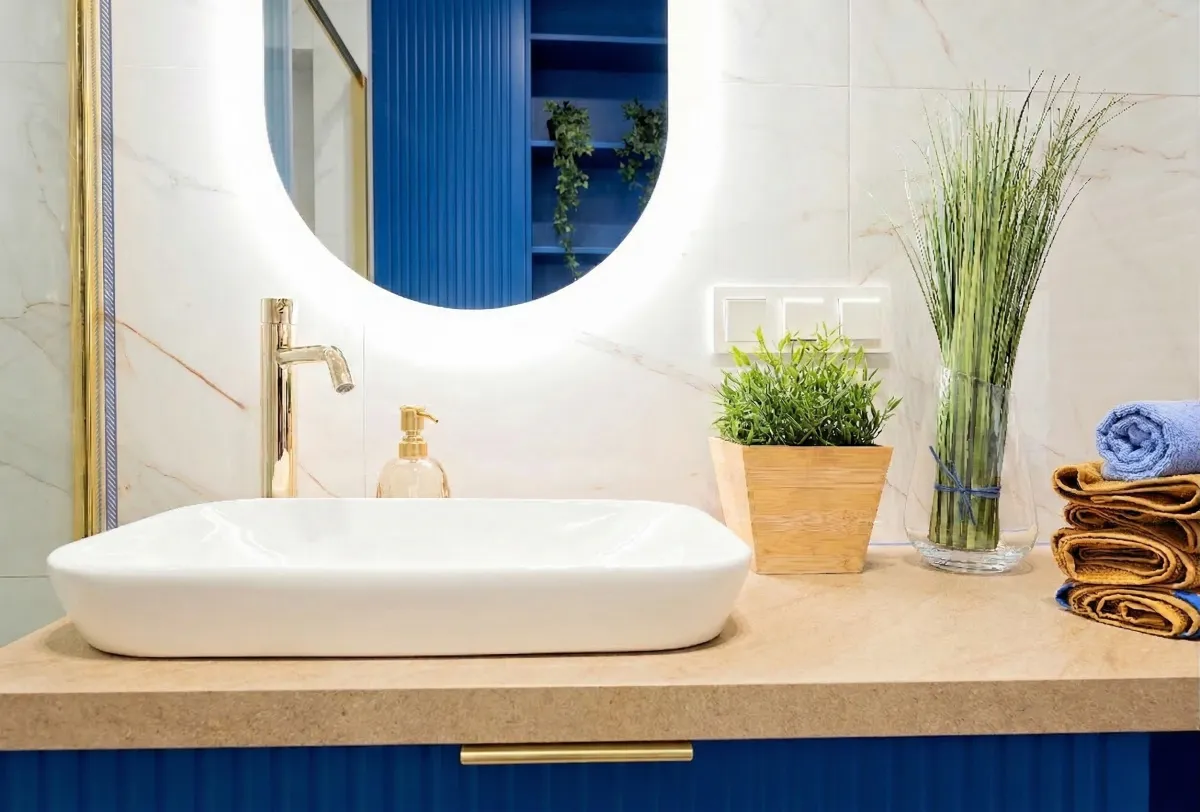
The Best Surfaces for High-Humidity Bathrooms
Bathrooms deal with more moisture than almost any other space in the home. Steam, heat, and daily use all contribute to bathroom humidity, which can affect how surfaces look, perform, and hold up over time. That is why choosing the right materials matters. A surface that looks good on day one may not stay that way if it cannot withstand constant moisture exposure.
The goal is to select surfaces that balance durability, maintenance, and design. The right choices can help the space stay cleaner, last longer, and feel more comfortable to use every day.
Why Bathroom Humidity Changes What Bathroom Surfaces Need to Do
Bathroom humidity affects more than just the air. It impacts walls, countertops, and surrounding finishes in ways that are not always obvious at first. Over time, excess moisture can lead to staining, warping, or buildup that is harder to clean.
That is why bathroom surfaces need to do more than just look good. They need to handle repeated exposure to moisture without breaking down or requiring constant upkeep. Materials that work well in dry areas may not perform the same way in a humid environment.
This is especially important in high-use areas like showers and vanities. Surfaces in these spaces come into contact with water more often, so choosing materials designed to handle humidity can help prevent issues before they start.
What Makes a Surface Ideal for Bathroom Humidity Conditions
The best bathroom surfaces for humidity are those that resist moisture while remaining easy to maintain. That usually means choosing materials that are less porous and less likely to absorb water over time.
Durability is one part of the equation. Ease of cleaning is another. Surfaces that resist buildup and require less scrubbing can make a noticeable difference in how the bathroom feels to use day-to-day. Fewer seams and smoother finishes can also help reduce the number of areas where moisture can collect.
It also helps to think about long-term use. A surface that maintains its appearance and performance over time is often a better investment than one that requires frequent repairs or replacements. Homeowners comparing options can review available bathroom updates and color selections to find materials that balance moisture resistance with design.
Wall and Shower Surface Options That Hold Up Better Against Bathroom Humidity
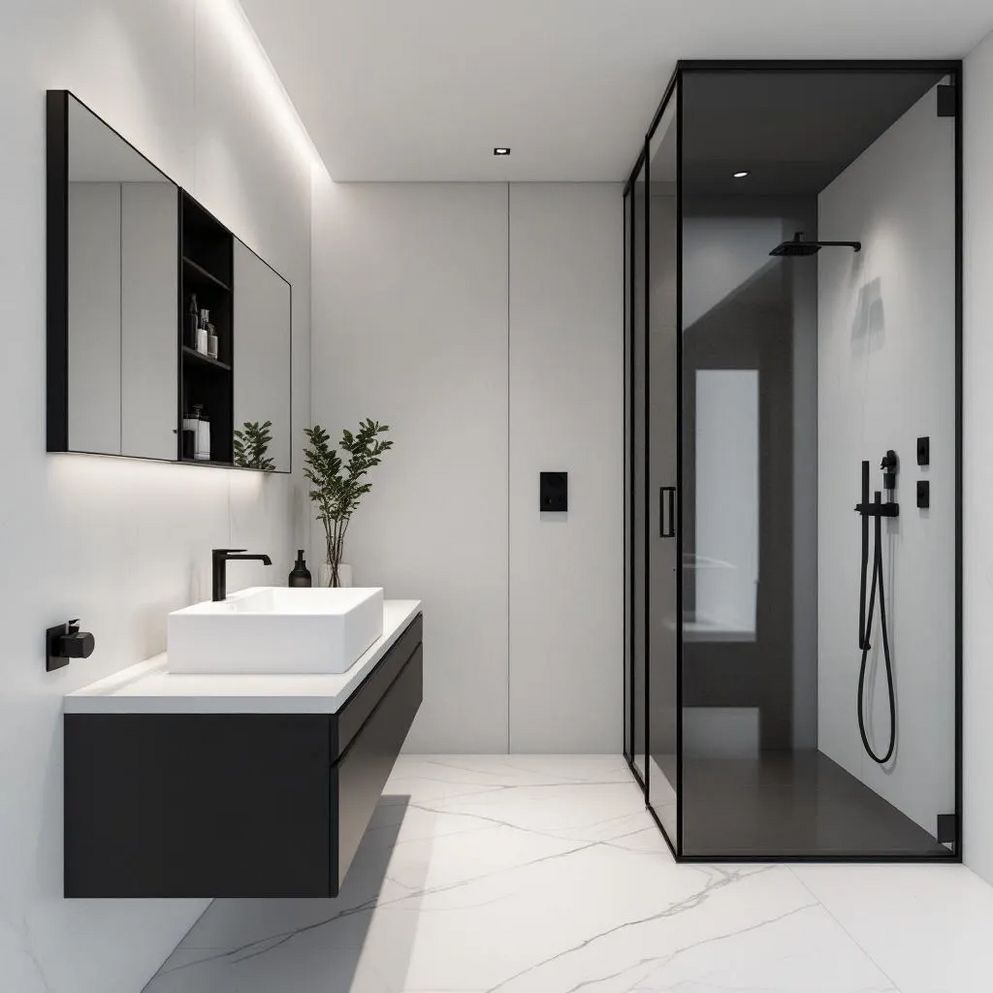
Wall and shower surfaces take some of the most direct exposure to moisture, so material choice matters. In bathrooms with frequent steam and daily use, finishes with fewer seams and less exposed grout often hold up better over time. They can also make the space easier to clean and maintain.
That is one reason larger-format and grout-free wall systems are often a practical choice. With fewer joints and less surface interruption, there are fewer places for moisture and buildup to collect. In a high-humidity bathroom, this can help keep the space cleaner and easier to manage.
It also helps when the wall surface supports the overall look of the room. A cleaner, more continuous finish can make the bathroom feel more polished while still serving a practical purpose. In humid spaces, that balance between appearance and performance matters.
Countertop Materials That Work Well in Bathroom Humidity
Countertops also need to withstand bathroom humidity, especially around sinks and vanities where water exposure is frequent. A surface may look good at first, but if it is harder to maintain or more likely to absorb moisture, it may not perform as well over time.
That is why non-porous options are often a smart choice. Surfaces that resist moisture and clean up easily can help the bathroom stay looking fresh with less effort. They also tend to hold their appearance better in a space that deals with daily splashes, steam, and changing temperatures.
Homeowners looking at vanity and surface updates can explore kitchen countertop options as a reference for quartz-based surfaces that also translate well into bathroom applications.
How Bathroom Humidity Affects Maintenance and Cleaning
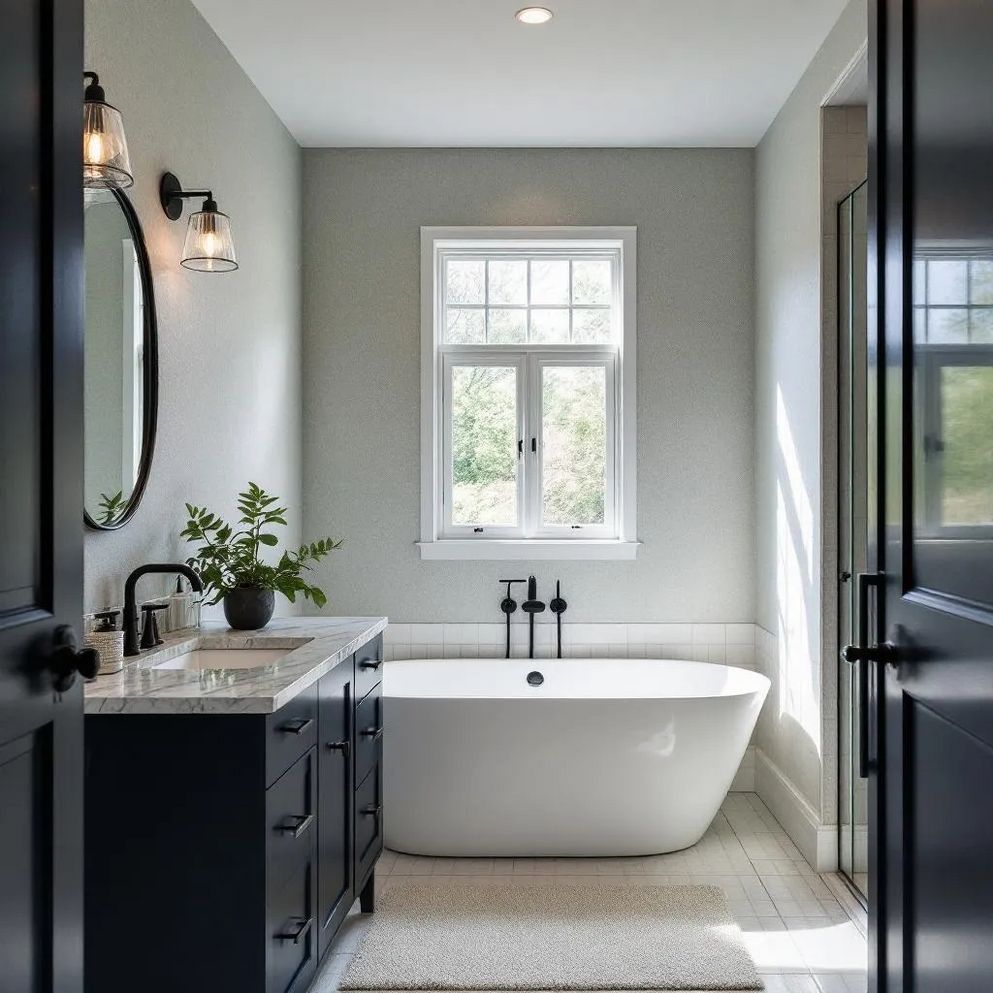
Bathroom humidity can make everyday cleaning more challenging if surfaces are not designed to handle it. Moisture in the air and on surfaces can build up over time, especially in areas with more seams or porous materials. That can make routine cleaning take more effort than expected.
Choosing the right surfaces can help reduce that burden. Materials that resist moisture and limit where buildup can collect tend to stay cleaner with less maintenance. Smoother finishes and fewer joints also make it easier to wipe down surfaces quickly, rather than relying on deeper cleaning.
In a high-humidity bathroom, maintenance should feel manageable, not constant. Selecting surfaces that support easier upkeep can make a noticeable difference in how the space functions day to day.
Choosing Bathroom Surfaces That Balance Bathroom Humidity and Style
The best results come from balancing performance with design. Bathroom surfaces need to withstand humidity, but they should also fit the space's look and feel. A practical choice should not feel like a compromise in appearance.
That often means coordinating surfaces across the room. Wall finishes, countertops, and surrounding materials should work together visually while also supporting moisture resistance. When those elements align, the bathroom feels more cohesive and easier to maintain.
Homeowners comparing options can explore available color selections to find finishes that complement both the design and the performance needs of a high-humidity space. When you are ready to update your bathroom with surfaces that last, contact Kitchen & Bathroom Transformations or get a quote to get started.


