

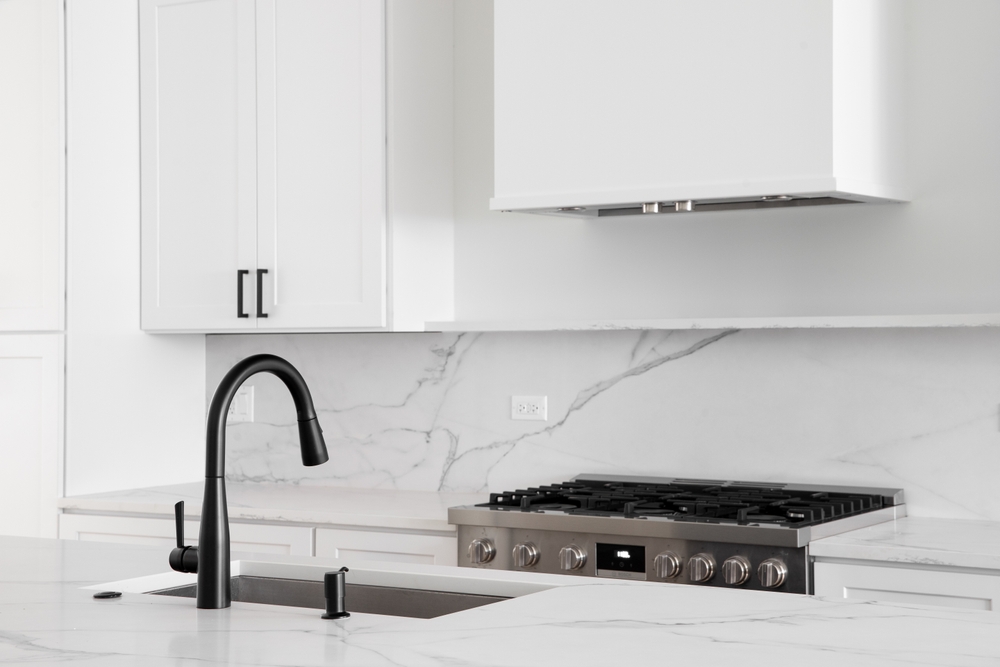
Achieving Kitchen Design Harmony: Pairing Cabinet Colors and Countertops Like a Designer
Creating kitchen design harmony can transform a cooking space into both a functional and visually appealing environment. Kitchen design harmony allows homeowners to feel confident that every element, from cabinets to countertops, works cohesively. Thoughtful color and material pairings reduce visual clutter while enhancing daily use and overall style.
Seasonal routines and busy schedules often make cohesive kitchen design more challenging to achieve. Kitchens with mismatched surfaces may feel chaotic, particularly during holidays or family gatherings, when functionality is essential. Prioritizing harmony ensures both practical use and aesthetic appeal throughout the year.
How Do Designers Achieve Kitchen Design Harmony?
Designers achieve kitchen design harmony by carefully balancing color, texture, and material choices. Neutral cabinets paired with patterned or bold countertops create visual interest while keeping the overall look cohesive. Considering undertones ensures surfaces complement each other, maintaining a unified feel. Sampling small areas helps confirm that the pairing will support long-term harmony in everyday use.
How Can Contrasting Tones Improve Your Kitchen’s Visual Balance?
Contrasting tones can highlight architectural features without overwhelming the room. Dark countertops paired with lighter cabinets emphasize clean lines and enhance the kitchen’s depth. Coordinating undertones prevents clashing, allowing colors to feel intentionally curated rather than accidental.

Layering textures strengthens visual interest, such as pairing matte cabinetry with a glossy countertop. Contrasts also support focal points, including kitchen islands or accent walls. Strategic placement ensures harmony remains the dominant design principle rather than visual tension.
Regularly checking surface finishes helps maintain consistent aesthetics across the kitchen and supports kitchen design harmony. Small changes, like replacing hardware or adjusting lighting, enhance the balance between tones. Intentional contrasts make the space dynamic while preserving cohesive design.
What Are the Best Seasonal Considerations for Cabinet and Countertop Pairings?
Seasonal inspiration can guide kitchen design harmony, making spaces feel fresh and inviting throughout the year. Choosing colors, materials, and textures that reflect the seasons enhances both aesthetic appeal and functionality. Thoughtful seasonal updates ensure kitchens remain stylish and cohesive regardless of the time of year.
Consider these seasonal factors to maintain kitchen design harmony:
Fall and winter benefit from warmer tones, such as caramel or honey-hued countertops paired with neutral cabinetry.
Soft whites, creams, and lighter tones brighten kitchens during spring and summer, reflecting natural light.
Adjusting lighting based on seasonal daylight ensures colors and undertones appear accurate and balanced.
Small accessory changes, like seasonal backsplash patterns or decor, refresh the space without major renovations.
Durable materials and finishes accommodate heavy use during holiday cooking while maintaining a cohesive, harmonious look.
Integrating seasonal considerations strengthens both the style and practicality of a kitchen. Following these strategies supports long-lasting kitchen design harmony while keeping spaces functional and visually appealing.
Can Mixing Materials Enhance Kitchen Design Harmony?
Mixing materials introduces depth and dimension, making a kitchen visually engaging. Combining quartz countertops with wood or metallic accents creates a rich yet balanced aesthetic. Carefully coordinated material choices ensure functionality complements beauty, especially when planning and scheduling your remodel.
Paying attention to scale and proportion prevents any surface from dominating the room. Contrasts highlight design features like islands while maintaining overall unity. Materials chosen for durability also support long-term harmony.
Lighting plays a key role in emphasizing textures and veining, contributing to overall kitchen design harmony. Glossy or reflective surfaces brighten the kitchen while matte finishes provide subtle contrast. The result is a layered, harmonious environment that feels intentional and balanced.
How Do Textures and Finishes Impact Kitchen Design Harmony?
Textures and finishes play a crucial role in achieving kitchen design harmony, balancing visual appeal with practical function. Matte and glossy surfaces, along with layered textures, create depth and sophistication in any kitchen. Thoughtful selection of materials ensures a cohesive, stylish, and functional space.

Consider the following ways textures and finishes impact kitchen design harmony:
Matte cabinets paired with glossy or textured countertops create dimension while maintaining a balanced aesthetic.
Durable surfaces like quartz or engineered stone combine practicality with style, supporting long-term kitchen design harmony.
Smooth finishes are easy to clean, while subtle veining adds visual interest and complexity to surfaces.
Contrasting textures, such as metal accents with wood or stone, add depth without disrupting cohesive design.
Strategic lighting highlights textures, accentuating veining, metallic flecks, or layered finishes for a polished, harmonious look.
Selecting complementary textures and finishes strengthens both the functionality and visual flow of a kitchen. Proper coordination of materials ensures lasting kitchen design harmony while enhancing everyday usability.
How Does Sampling Help Achieve Kitchen Design Harmony?
Sampling cabinet and countertop combinations reduces the risk of color or material mismatch. Testing small swatches in the kitchen’s lighting environment ensures undertones align and surfaces complement each other. Sampling contributes to confident decision-making and long-term satisfaction.
Practical evaluation considers appliances, flooring, and backsplashes, supporting cohesive design and maintaining kitchen design harmony. Small adjustments based on samples prevent costly mistakes and wasted materials. This step reinforces the overall harmony of kitchen finishes.
Regularly reviewing samples across different times of day accounts for light variation. Observing surfaces in real-life conditions guarantees that design choices will remain harmonious. Sampling ensures a smooth transition from planning to full-scale installation.
Creating a Lasting and Cohesive Kitchen Design
Pairing cabinet colors with countertops thoughtfully results in a cohesive, stylish, and functional kitchen. Considering undertones, contrasting materials, textures, and seasonal influences ensures surfaces complement each other throughout the year. Sampling combinations and layering finishes provides confidence in achieving balanced visual appeal.
Kitchen design harmony extends beyond aesthetics, enhancing both comfort and practicality. Coordinated surfaces make kitchens inviting for everyday use and special gatherings alike. Consult Kitchen & Bathroom Transformations to refresh your kitchen with designer-inspired harmony and expertly coordinated surfaces.


